

Most drug testing programs stock integrated cup thermometers for every collection, yet many facilities conduct observed collections where temperature monitoring isn’t required.
The inventory flexibility question in drug testing operations
Facilities manage multiple collection cup configurations to cover different testing protocols. SAMHSA requires temperature measurement (90-100°F within four minutes) for unobserved collections, so integrated cup thermometers became the standard solution.
Facilities running both observed and unobserved collections pay for temperature indicators on every test, including collections that don’t require temperature monitoring. Procurement teams manage multiple cup specifications, higher minimum order quantities, and inventory carrying costs driven by cup features rather than actual protocol requirements.
The fundamental question: Does every collection need a temperature indicator built into the cup?
How separate temperature indicators change operational control
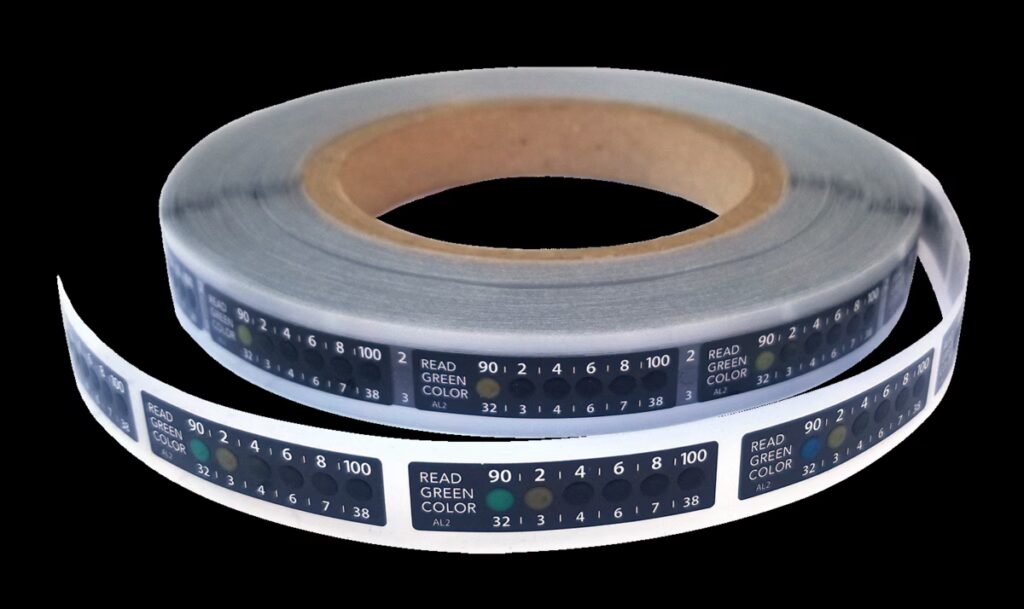
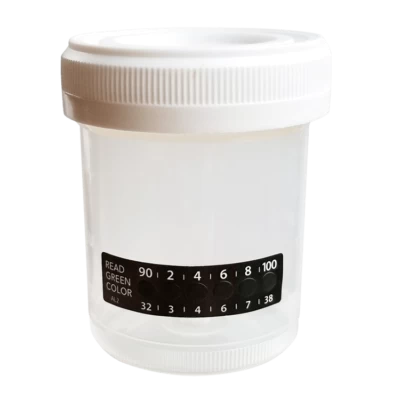
BriteDot temperature strips work with any standard collection container. This shifts temperature monitoring from a fixed cup feature to a protocol-specific control measure.
Facilities apply temperature monitoring only when protocols require it. One cup type in inventory replaces multiple configurations. Procurement manages two clear specifications (standard cups and temperature strips) instead of multiple integrated cup variants.
Temperature strips are ordered based on actual temperature monitoring frequency, not total collection volume.
What BriteDot indicators actually do
BriteDot strips monitor specimen temperature in the 90-100°F range aligned with SAMHSA specifications. They do not detect drugs or adulterants. Drug presence is determined through laboratory analysis of the specimen itself.
BriteDot serves as an operational temperature screening tool at the point of collection. Visual color change shows specimen temperature status. Collection staff document the temperature indicator response in chain of custody forms, just as they would with integrated cup thermometers.
The clear visual indication reduces documentation ambiguity. Temperature screening identifies specimens that may require additional review based on temperature readings. The temperature indicator can stay with the collection documentation. The laboratory receives the specimen for drug analysis.
Key distinction: BriteDot measures specimen temperature. Laboratory analysis determines what’s in the specimen.
Which testing environments see operational benefits
Five environments where protocol-specific temperature monitoring delivers operational advantages:
Corrections facilities conducting high volumes of observed collections often don’t require temperature monitoring per facility protocol. A hypothetical example: A corrections facility conducts 500 monthly collections. 350 are observed (no temperature monitoring required per protocol). 150 are unobserved (temperature monitoring required). Using integrated cups for all 500 tests means paying for temperature indicators on 350 collections that don’t need them. Switching to standard cups plus 150 BriteDot strips aligns inventory costs with actual temperature monitoring requirements.
Actual cost impact depends on your supplier pricing and protocol mix. Contact SpotSee to discuss potential savings.
Occupational health clinics managing varied employer protocols benefit from inventory flexibility.
Clinical labs handling multiple specimen types avoid protocol-specific cup configurations.
Point-of-care testing operations apply temperature monitoring based on protocol requirements.
Smaller operations (under 200 tests monthly) gain better alignment between inventory costs and protocol requirements.
How BriteDot strips fit into existing workflows
Collection staff attach the strip to a standard collection container when protocol requires temperature monitoring. They read the visual temperature response and document results in the chain of custody form, the same documentation process used with integrated cups.
The photography option supports documentation requirements with a visual record of the temperature indicator. Collection containers, custody forms, and laboratory procedures remain unchanged. Temperature screening supports SAMHSA temperature requirements without altering the fundamental collection workflow.
Compliance and documentation considerations
SAMHSA requires temperature measurement and documentation for unobserved collections. Temperature monitoring method selection is an operational decision. Both integrated and separate temperature indicators serve the operational temperature screening role.
Documentation process stays consistent: record temperature indicator results in chain of custody. Temperature screening identifies specimens outside the acceptable temperature range for additional review. Temperature monitoring is one control measure. Laboratory analysis determines drug presence.
SpotSee provides technical specifications supporting compliance review.
Stocking and procurement advantages
Facilities reduce inventory from multiple cup configurations to a single standard type. Lower minimum order quantities and carrying costs follow. Vendor management simplifies to two specifications instead of multiple cup types.
Temperature strips are ordered based on actual temperature monitoring frequency, not total collection volume. Procurement decisions shift from universal cup features to protocol requirements. Inventory flexibility supports changing protocols without disposing of specialized cup stock.
Addressing the counterargument: Why not just use integrated cups for everything?
The integrated cup argument is straightforward: standardize on one cup type with built-in temperature monitoring for operational simplicity. This approach assumes temperature monitoring is required for every collection.
In mixed protocol environments (corrections facilities with observed collections, occupational health managing varied employer requirements, point-of-care with protocol-specific needs), paying for temperature indicators you don’t use transfers cost from operational need to inventory default. Protocol-specific temperature monitoring aligns costs with actual requirements rather than universal features.
Implementation considerations
Review current collection protocols. How many require temperature monitoring versus total monthly volume? Calculate your observed versus unobserved collection ratio.
Request BriteDot product specifications and pricing. Compare costs using your actual supplier pricing for integrated cups, standard cups, and temperature strips.
Train collection staff on when to apply temperature indicators based on protocol requirements. Emphasize the temperature monitoring function, not drug detection. Pilot with sample quantities before full inventory transition.
Contact us for technical specifications and implementation guidance.
—
You may also like:


