

Why proof of delivery doesn’t prove proper handling
A shipment can arrive looking fine and still fail after installation.
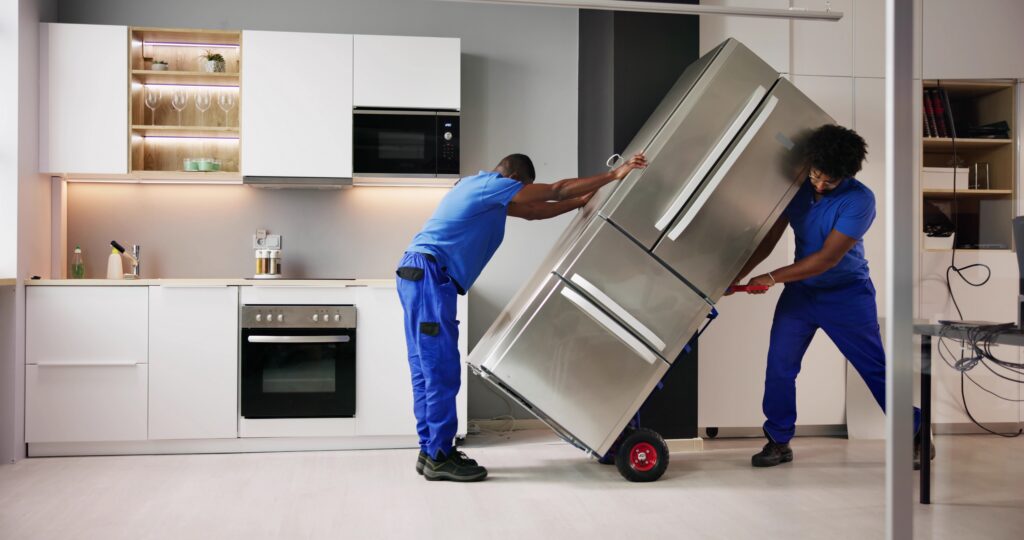
For appliance manufacturers, retailers, logistics providers, and warranty teams, appliance delivery damage is often discovered long after proof of delivery has been signed. The carton appears intact, the installation is completed, and the shipment moves through the normal workflow. Days or weeks later, concealed shipping damage may appear as operational failures, warranty claims, or customer complaints.
The challenge is that proof of delivery confirms custody transfer, not proper handling.
Because of this, hidden transit damage often turns into disputed warranty claims, unclear accountability, and lengthy investigations with little shared evidence across handoffs.
The question is not whether the shipment was delivered. The question is whether there is enough documented evidence to understand what happened before delivery.
Why concealed shipping damage is difficult to prove
Visible carton inspections are useful, but they have limits.
Many cases of appliance delivery damage and concealed shipping damage are not immediately visible. Internal components can be affected by impact, excessive tilt, or overturn events without creating obvious external damage. As a result, a shipment may move through receiving, installation, and customer acceptance before any issue becomes apparent.
This creates a common appliance warranty claim scenario.
The shipment appeared to arrive in good condition, but hidden transit damage is discovered later. No one can clearly determine when the damage occurred.
At that point, responsibility becomes difficult to establish.
Manufacturers, carriers, installers, retailers, and customers may all be working from different pieces of information. Without consistent handling records, investigations often rely on recollection rather than documented evidence.
Why proof of delivery does not prove proper handling
Most home delivery networks involve multiple handoffs before a product reaches its final destination.
A typical appliance shipment may move through:
- Manufacturer or distribution center
- Carrier pickup
- Cross-dock operations
- Regional delivery hub
- Last-mile delivery provider
- Installation team
- Customer receipt
Each handoff creates an opportunity for information to be lost.
Proof of delivery confirms that the shipment changed custody. It does not document how the shipment was handled between those custody points.
Because different teams often use different systems, documentation can become fragmented. Photos, notes, and observations may exist, but they are rarely connected into a single record that follows the shipment through the delivery process.
Without standardized evidence at transfer points, delivery damage investigations become reactive and inconsistent.
What QR-enabled indicators actually document
QR-enabled indicators help create a structured record at the moments when shipments change hands.
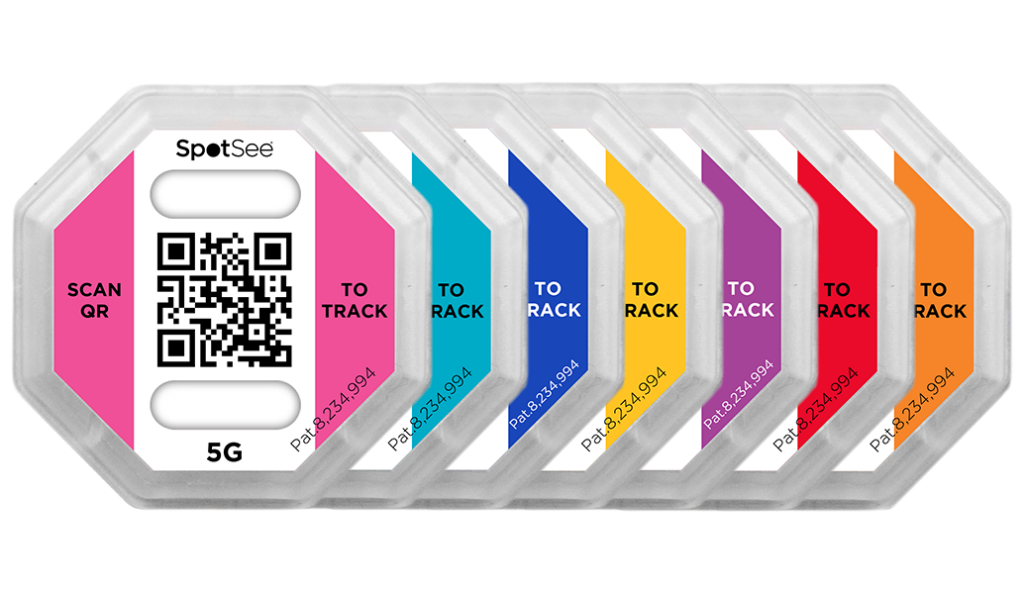
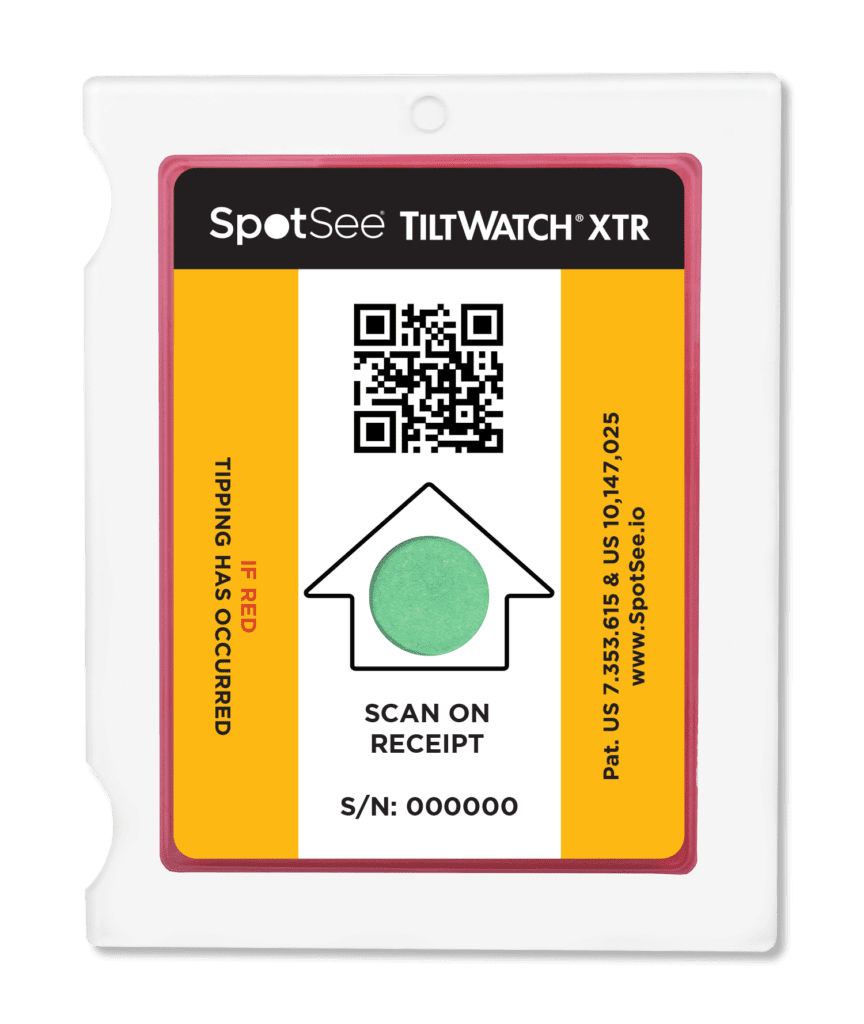
For appliance delivery damage investigations, ShockWatch® 2 QR helps document potentially damaging impact events, while TiltWatch® XTR QR helps document tilt and overturn events that may affect products sensitive to orientation during transportation and installation.
ShockWatch® 2 QR
ShockWatch® 2 QR is a single-use, battery-free impact indicator that provides a visual signal when an impact exceeds the selected threshold. Its serialized QR code also enables teams to create a shipment-specific data point when the indicator is scanned, helping connect the visual result to a cloud-based record for that handling moment.
TiltWatch® XTR QR
TiltWatch® XTR QR provides visibility into tilt and overturn events that may affect products sensitive to orientation during transportation, storage, or installation. When scanned, the serialized QR code helps link the indicator result to a specific shipment record, giving teams a clearer data trail for documenting orientation-related handling events.
In both cases, the indicator becomes more valuable when paired with a scan workflow.
A smartphone scan can create a cloud-based record that may include:
- Time and date
- Location
- Shipment identifiers
- Indicator condition
- Optional image evidence where supported
The goal is not simply to document an event. The goal is to create consistent evidence at each handoff.
Turning delivery damage documentation into operational decisions
The strongest workflows define scan checkpoints throughout the delivery journey.
Typical checkpoints include:
- Pack-out
- Carrier pickup
- Cross-dock transfer
- Regional distribution hub
- Last-mile delivery handoff
- Installation
- Final receipt
At each checkpoint, the indicator status can support a consistent operational path.
For example:
- Shipment moves forward through standard workflow
- Shipment is routed for inspection
- Shipment is escalated for review
The important point is consistency.
Instead of relying on assumptions or incomplete observations, teams use the same documentation process at every handoff.
This creates a stronger chain of custody and a more complete investigation record if questions arise later.
Where this workflow fits best
QR-enabled impact and tilt indicators are particularly useful in environments where concealed damage can create significant operational costs.
Examples include:
- High-value appliances
- Consumer electronics
- Install-required products
- Damage-prone shipping lanes
- Complex last-mile delivery networks
- Operations with recurring appliance warranty claims
- “No fault found” return environments
In these situations, improving visibility at handoffs often provides more value than simply adding more investigation steps after delivery.
How better documentation reduces appliance warranty disputes
When scan-based documentation is applied consistently, operations and quality teams gain several advantages.
Faster investigations
Teams can begin with documented evidence instead of reconstructing events from memory.
More consistent documentation
The same information is captured at each defined checkpoint.
Better visibility into recurring issues
Patterns may emerge across specific lanes, facilities, carriers, or handling steps.
Improved accountability
Each handoff can be associated with documented shipment condition information.
More structured decision-making
Receiving, installation, and warranty teams can work from the same evidence set instead of independent observations.
Implementation considerations
Successful implementation starts with process design.
Define scan ownership
Each handoff should have a clearly defined owner responsible for completing the scan.
Standardize workflows
Determine how teams should respond when an indicator shows a handling event, including inspection, escalation, and documentation requirements.
Align indicator placement
Indicator placement should be matched to product characteristics, packaging design, and handling risks.
Maintain realistic expectations
QR-enabled indicators support operational visibility and documentation. They complement validated packaging and existing monitoring processes. They are not replacements for either.
FAQ
Why doesn’t proof of delivery prevent appliance damage disputes?
Because proof of delivery confirms custody transfer, not how the shipment was handled between handoffs. A shipment can appear visually acceptable while concealed shipping damage or overturn events remain undocumented until installation or use.
What SpotSee products support appliance delivery workflows?
SpotSee offers QR-enabled indicators designed to support handling visibility and chain-of-custody documentation during transit and delivery.
ShockWatch® 2 QR helps document potentially damaging impact events during shipping and handling. Teams can use scan records to support investigations, improve accountability across handoffs, and reduce uncertainty around when mishandling may have occurred.
TiltWatch® XTR QR helps document tilt or overturn events that may affect products sensitive to orientation during transport or installation. The QR workflow supports more consistent receiving, inspection, and escalation decisions when improper handling is suspected.
Because both indicators can create time-stamped cloud-based records at scan points, they can help operations teams standardize documentation workflows, support faster investigations, and reduce unnecessary back-and-forth between carriers, installers, and warranty teams.
How do you document concealed shipping damage during appliance delivery?
A scan-based workflow can create a structured record at key handoffs. Depending on the workflow, records include time, date, location, shipment identifiers, indicator condition, and optional image evidence.
When should appliance shipments be scanned during delivery?
Typical checkpoints include:
- Pack-out
- Pickup
- Cross-dock transfer
- Last-mile handoff
- Installation
- Final receipt
Organizations should align checkpoints to their actual delivery workflow.
Do QR-enabled indicators replace validated packaging or data loggers?
No.
Indicators support operational visibility and documented workflows. They complement validated packaging and existing monitoring processes.
What happens if an indicator shows a handling event but there is no visible damage?
Teams can follow predefined SOPs to inspect, document, escalate, or temporarily hold the shipment before installation or customer handoff. The indicator provides visibility into a potential handling event, while the organization’s established procedures determine the appropriate next steps.
Conclusion
Hidden transit damage and appliance delivery damage are difficult to investigate when handling evidence is missing.
Proof of delivery confirms that a shipment changed hands. It does not explain how the shipment was handled throughout the delivery network.
QR-enabled impact and tilt indicators help create a more consistent chain of custody by documenting shipment condition at key transfer points. For operations, quality, warranty, and logistics teams, that means faster investigations, stronger accountability, and better visibility into where handling issues may be occurring.
The goal is not simply to investigate damage more efficiently. It is to create the evidence needed to make better decisions throughout the delivery process.
—–
You might also like:


