

A high-value shipment arrives at receiving, something looks off, but no one can confirm what actually happened. This is where complaint handling slows down. Not because teams lack process, but because the evidence needed to decide arrives too late.
The fastest way to shorten that cycle is to treat receiving as the evidence capture point, not the start of a debate.
What actually slows complaint handling down
Complaint handling slows down because the evidence required to make a decision is fragmented and delayed.
In practice, a suspected damage event is often first noticed at receiving or at a last-mile hand-off, for example when a laboratory receives a diagnostic instrument. At that moment, the team observes a condition but does not always capture it in a structured way.
This means the evidence spreads across systems and people:
- Photos stored on personal devices
- Notes recorded in local systems
- Delivery exceptions captured in emails or carrier portals
As a result, QA or returns teams cannot immediately confirm what was observed, when it happened, and under what conditions. Because of this, the process shifts from decision-making to reconstruction.
Which is why disposition slows down.
What is evidence latency in shipment monitoring
Evidence latency is the time between identifying a potential issue and having a complete, decision-ready record.
This matters because disposition decisions are time-sensitive. The longer a shipment remains in quarantine without clear documentation, the more operational risk increases:
- Storage constraints at receiving sites
- Delays in replacement shipments
- Extended back-and-forth with carriers and internal teams
In practice, reducing complaint cycle time is less about faster investigation and more about capturing usable evidence earlier.
What the receiving decision actually requires
At receiving, the decision is simple but constrained. Teams must choose between:
- Accept into inventory
- Hold for inspection
- Quarantine and escalate
The challenge is not making the decision. It is making it in a way that can be defended later.
When evidence is incomplete, teams default to the slowest path. Not because it is always the safest, but because it is the most defensible without documentation.
This means the receiving moment is not just operational. It is evidentiary.
How QR-enabled indicators reduce evidence latency
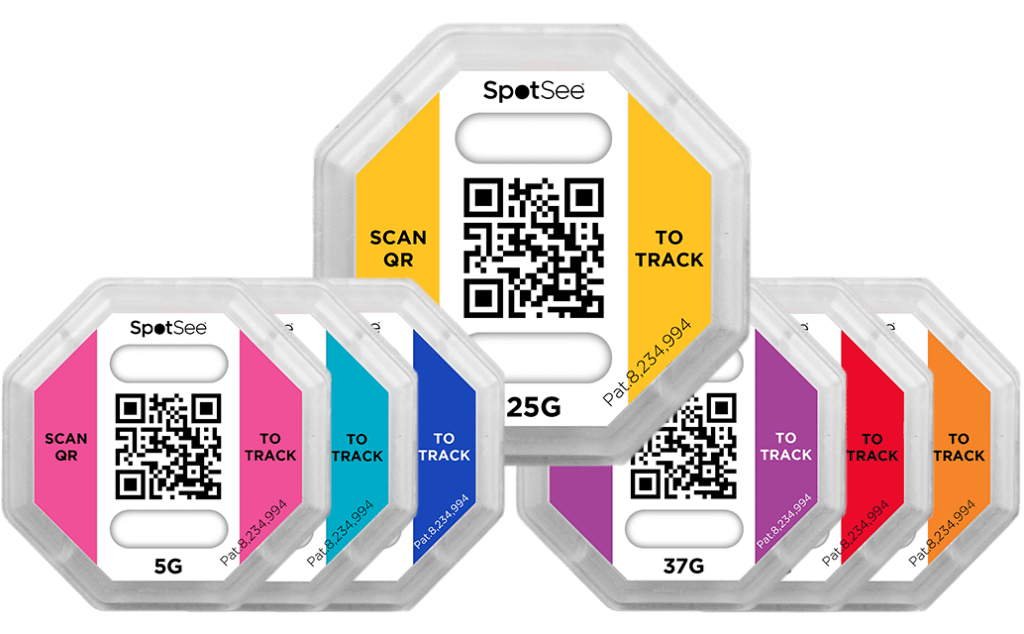
A QR-enabled indicator such as ShockWatch 2 QR introduces a simple change. It connects the visual check at receiving to a structured record.
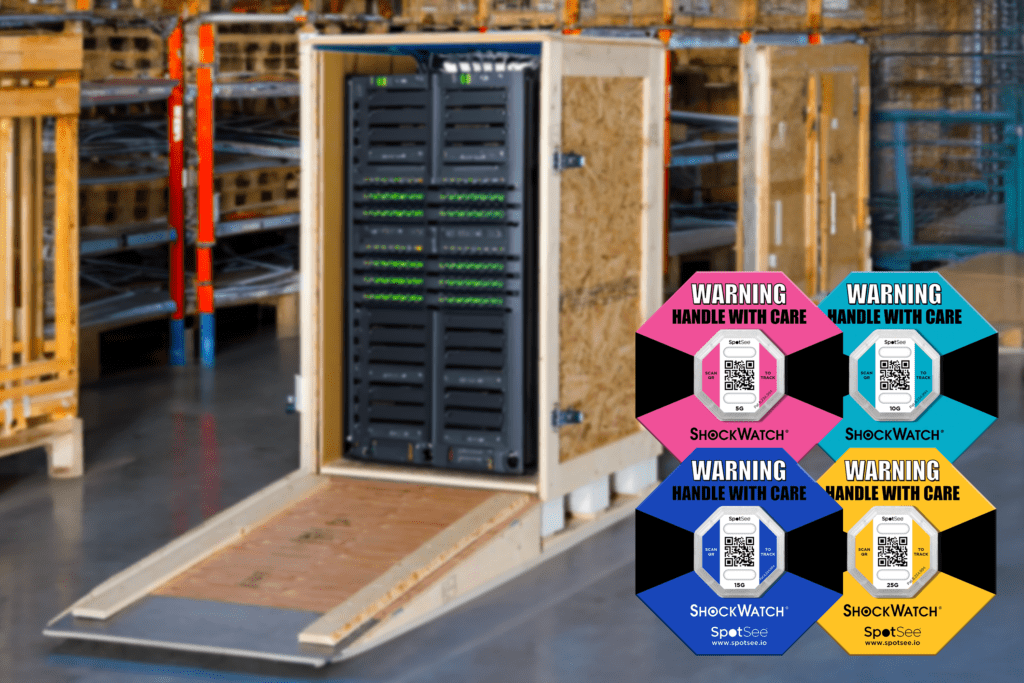
ShockWatch 2 QR is a single-use, battery-free impact indicator. It provides a clear visual change when an impact above a defined threshold occurs. The QR-enabled workflow allows the receiver to scan the indicator with a smartphone, with no app required.
At the moment of scan, the system captures:
- Indicator condition
- Time and date
- Location
- Unique serial number
This means the receiving check is no longer just an observation. It becomes a retrievable record tied to that specific shipment and that specific moment.
Because of this, evidence is created before the shipment moves, not after.
How to implement a scan-based receiving SOP
The goal is not to add steps. It is to standardize what already happens.
A practical receiving SOP (Standard Operating Procedure) aligns with existing inspection flow:
- Inspect packaging for visible damage
- Observe the indicator and determine good read or bad read
- Scan the QR-enabled indicator at receipt
This structure works because each step supports the next. The observation leads to the scan, and the scan creates the record that supports the decision.
As a result, documentation is created at the moment it matters.
How good read and bad read decisions hold up in complaints
A good read or bad read model creates consistency across receiving and QA review.
If it is a good read
The scan records that the indicator showed normal condition at a specific time and place. The shipment proceeds through standard receiving with documented evidence of that hand-off.
If it is a bad read
The scan records that an impact condition was observed at receiving, creating a time-stamped, serial-level record at the decision moment. This recorded bad read should trigger an immediate move to quarantine per SOP, along with the requirement to capture supporting documentation, such as photos and receiving notes, while the shipment is still at the dock.
Because the scan already anchors the event in time, location, and unit identification, the additional documentation is tied to a structured record rather than collected later from memory.
This linkage between scan, quarantine action, and supporting documentation ensures that escalation starts with evidence already in place, not reconstructed after the shipment has moved.
This matters especially in last-mile environments. Whether the receiver is a specialty pharmacy or a laboratory, the same logic applies. The decision is immediate, and the documentation must match that moment.
What a decision-ready escalation packet looks like
Complaint handling accelerates when the escalation packet is complete early.
A typical packet includes:
- Shipment identifiers such as PO, BOL and tracking
- Item identifiers such as SKU or serial number
- Receiving context, including site, time, and receiver
- Condition evidence, including scan record and photos
- Exception notes tied to the event
The role of scan-triggered evidence is to unify these elements. Instead of assembling information from multiple sources, teams start with a structured record created upon receipt.
This reduces delay between observation and decision.
A single receiving scenario in practice
A high-value diagnostic instrument arrives at a regional distribution center for delivery to a laboratory.
At receiving, the team observes the shipment condition and checks the indicator. The indicator shows a bad read. The receiver scans the QR code immediately.
Because of that scan, a time-stamped record is created with location and serial-level identification. The shipment is routed to quarantine and escalated with evidence already attached to the case.
Later, QA reviews the complaint. Instead of reconstructing events, the team starts with the receiving record and focuses on disposition.
The difference is not the inspection. It is when the evidence was created.
Is this adding work at receiving
It can appear that way if scanning is treated as an extra task.
In practice, it replaces unstructured work that already exists. Receivers already take photos, write notes, and respond to follow-up questions. The scan consolidates those actions into a single, consistent step.
It also complements validated packaging and any temperature monitoring strategy. An impact indicator provides visibility at the hand-off. It does not confirm the internal product condition.
What to measure if you want to improve cycle time
If the goal is faster complaint handling, measure time to decision.
Useful metrics include:
- Time from receipt to first evidence captured
- Time from damage flag to QA review
- Time from receipt to disposition decision
- Quarantine dwell time for high-value shipments
These metrics reflect how effectively information supports action, not just how much data is available.
Conclusion
Complaint handling slows down when evidence arrives after the fact.
When receiving becomes the point where evidence is created, not reconstructed, disposition decisions happen faster and with fewer hand-offs.
The most efficient complaint workflow is the one where the record exists before the first follow-up email is sent.
___
You might also like:


