

A refrigerated truck or container can report that its temperature stayed within the required range throughout a journey. But does that mean every product inside experienced the same conditions?
Not necessarily.
Temperature-sensitive shipments can encounter different conditions depending on where products are positioned, how air circulates, how the vehicle is loaded and what happens during loading, unloading or temporary storage. A refrigeration unit may be operating correctly while individual packages experience conditions that are not reflected in its temperature readings.
That is why effective reefer monitoring requires understanding the difference between monitoring the refrigerated environment and monitoring the conditions experienced by the shipment itself.
Watch the video below to see how reefer monitoring works, where temperature risks can occur during refrigerated transportation and how independent condition monitoring helps provide a clearer picture of shipment conditions:
Video : Reefer monitoring explained
What is reefer monitoring?
A reefer is a refrigerated truck, trailer or shipping container equipped with a temperature-control system designed to maintain specified conditions during transportation. Reefers are widely used to move temperature-sensitive products, including pharmaceuticals, biologics, fresh produce, frozen foods and specialty chemicals.
Reefer monitoring refers to tracking the conditions and performance of that refrigerated environment throughout transit. Depending on the equipment, monitoring systems may collect air-temperature readings, refrigeration-unit operating information, location data and alerts when conditions move outside established limits.
These systems help logistics teams determine whether the refrigeration equipment is operating as expected and whether the transport environment is maintaining its designated temperature range.
However, reefer monitoring does not necessarily tell you what temperature every product inside the vehicle or container experienced. That distinction becomes important when evaluating shipment quality and investigating potential temperature excursions.
What is the difference between reefer temperature and product-level temperature monitoring?
Reefer systems generally measure air temperature at designated locations within the refrigerated vehicle or container. These readings provide valuable information about the transport environment, but conditions may not be uniform throughout the load.
For example, packages positioned near doors, walls or areas with restricted airflow may experience different temperatures from those closer to the refrigeration system. Frequent door openings, loading configurations and delays during transfers can also influence conditions around individual shipments.
Another consideration is the difference between surrounding air temperature and the temperature of the product itself. Products and their packaging respond to temperature changes over time, meaning a temporary increase in surrounding air temperature does not automatically indicate that the product reached the same temperature.
Product-level monitoring provides an additional layer of information closer to the goods being transported. Depending on the technology and sensor placement, it can help teams assess the conditions around a particular package, pallet or shipment.
Importantly, a sensor placed near a product does not necessarily measure its internal temperature. Monitoring locations should be selected based on product sensitivity, packaging design and established quality procedures.
Why does independent condition monitoring matter?
A reefer may maintain its programmed temperature during transit, but temperature-sensitive products can still encounter risks outside the refrigerated environment.
Consider a shipment that moves from a refrigerated warehouse into a trailer, passes through a distribution center and is transferred to a delivery vehicle before reaching its destination. The refrigeration system on the main transport leg may perform correctly, but the shipment could experience additional temperature exposure during one of those handoffs.
Independent condition monitoring helps document shipment-specific conditions rather than relying exclusively on the refrigeration system’s records.
This additional information can support receiving inspections, exception investigations and discussions with logistics partners. It can also help quality teams distinguish between issues involving refrigeration performance and those associated with handling, packaging or transfer processes.
The objective is not to duplicate the data already available from the reefer. It is to provide evidence about shipment conditions that the reefer system may not capture.
When do refrigerated shipments need a detailed temperature history?
Some refrigerated shipments require more than confirmation that a temperature limit was exceeded. Quality teams may need to determine when an excursion occurred, how long it lasted and how temperature changed throughout the journey.
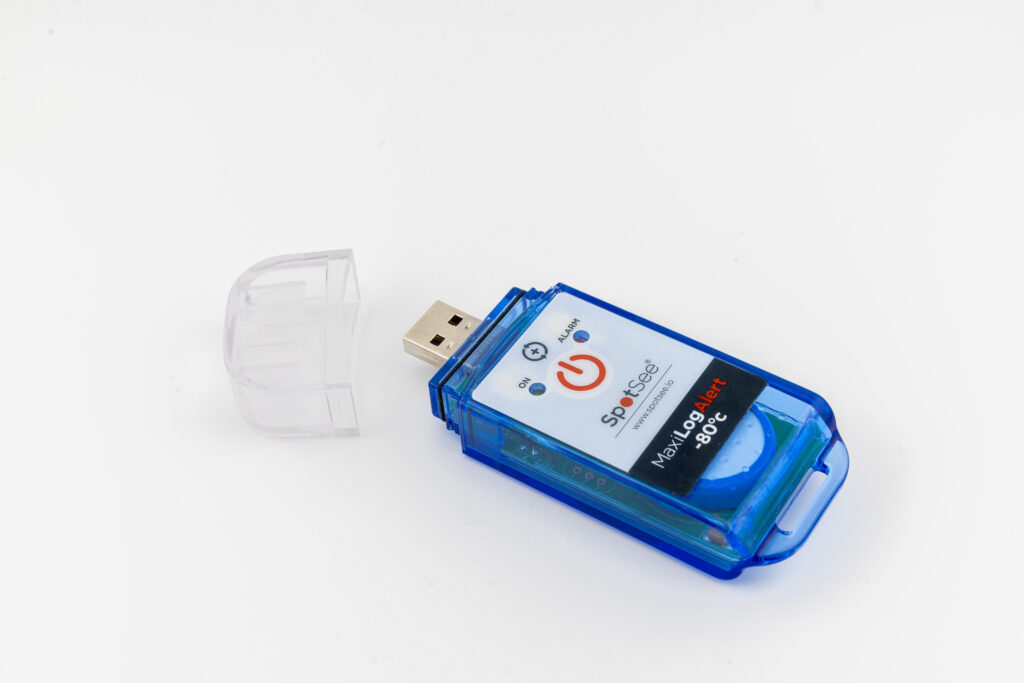
Electronic temperature data loggers are designed for this purpose. They record temperature measurements at defined intervals, creating a history that can be reviewed after delivery.
For example, MaxiLog Alert temperature data loggers provide recorded temperature information that can support shipment investigations and documentation. The product family includes options for different temperature ranges, including applications involving extremely low temperatures.
This level of detail can be valuable for pharmaceutical shipments, biological materials and other products where temperature exposure must be evaluated against defined stability requirements.
Unlike a simple visual indicator, a data logger can provide the temperature profile needed to investigate when an event occurred and how conditions developed over time.
However, collecting a complete temperature history is not always necessary. The appropriate level of monitoring depends on the information required to make a shipment decision.
When does connected reefer shipment monitoring add value?
Traditional data loggers typically require users to retrieve recorded information from the device. Connected monitoring adds another capability: access to shipment information while goods are still moving.
This can be especially valuable for high-value, time-sensitive or complex refrigerated shipments where an unexpected temperature change may require action before delivery.
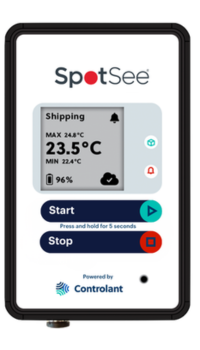
SpotSee Go combines temperature monitoring with cellular connectivity, location visibility and cloud-based reporting. Depending on the selected configuration, it can provide alerts when monitored temperatures move outside predefined limits.
For logistics and quality teams, this can support earlier identification of potential problems, improved coordination with transportation partners and more informed decisions about shipments in transit.
Connected monitoring does not eliminate the need for proper refrigeration, validated packaging or quality procedures. Its value comes from making relevant information available sooner, when there may still be an opportunity to investigate or intervene.
When is a simple temperature indicator enough?
Not every refrigerated shipment requires continuous electronic monitoring. In many applications, receiving teams primarily need to know whether the shipment experienced a defined temperature condition during transportation.
Visual temperature indicators can provide this information without requiring a detailed temperature record.
For shipments where exposure above a specified threshold is the main concern, WarmMark QR provides a single-use, battery-free time-temperature indicator that responds to cumulative exposure above its rated temperature. Its QR code allows users to document indicator status, time, date and location through a smartphone scan.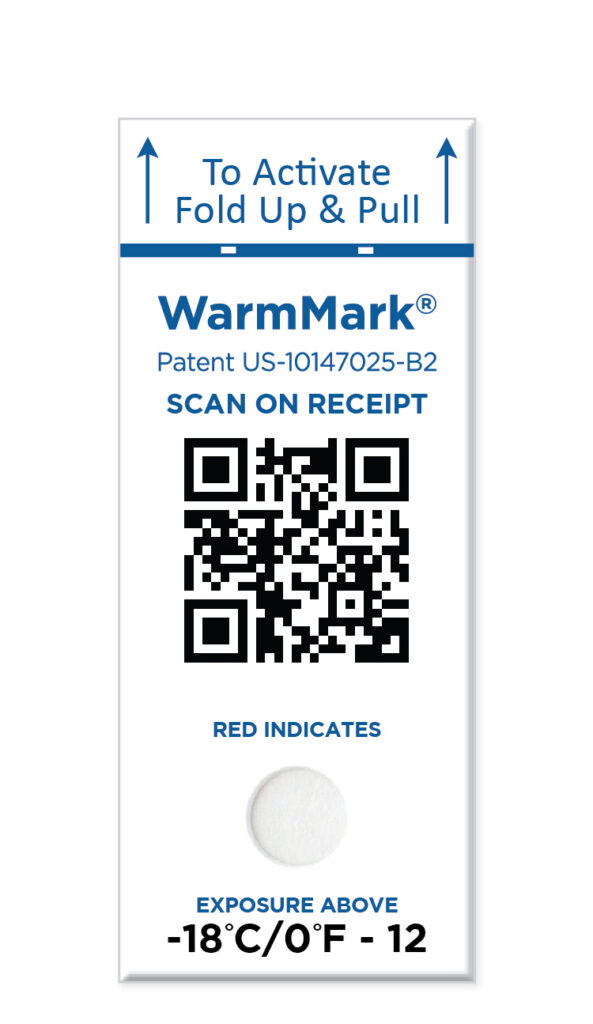
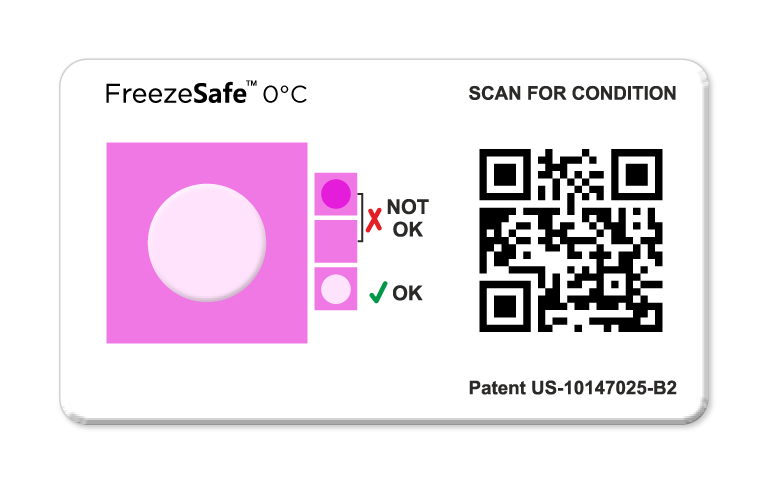
For products sensitive to excessive cold, FreezeSafe QR provides irreversible visual evidence of exposure below a specified temperature threshold, with QR-enabled documentation of the observed condition.
Some refrigerated shipments require monitoring for both excessive heat and excessive cold. ColdChain Complete combines an ascending time-temperature indicator and a descending temperature indicator in one solution, helping teams identify exposure outside defined upper and lower temperature limits.
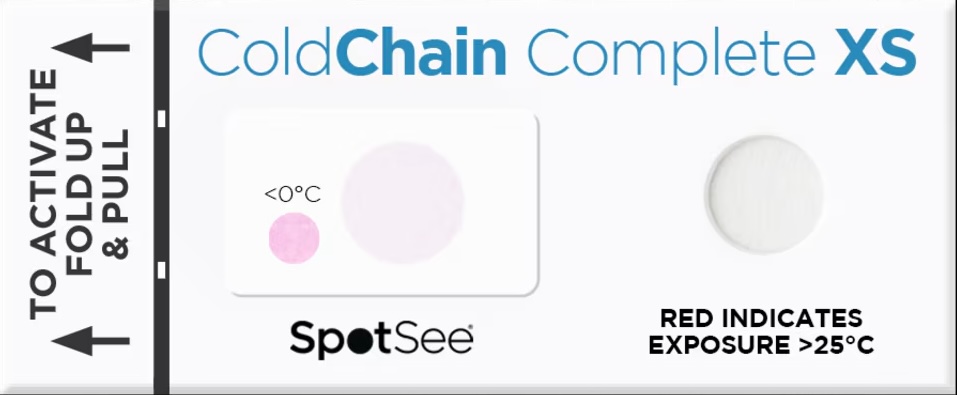
These technologies support different receiving and quality workflows. Rather than providing continuous temperature curves, they help identify defined exposure conditions that may require further evaluation.
An activated indicator does not automatically mean a product has been damaged. Its result should be assessed against the product’s stability requirements and the organization’s established handling procedures.
What should you monitor in a refrigerated shipment?
The right monitoring strategy starts with understanding what information your team needs and what decisions that information must support.
Reefer performance and air temperature: Monitor the refrigerated environment when the priority is confirming that refrigeration equipment is operating correctly and maintaining the required transport conditions.
Shipment-level conditions: Use independent monitoring when the conditions closer to a package, pallet or shipment are important, particularly across transfers and handling stages.
Exposure above acceptable temperatures: Consider ascending time-temperature indicators when excessive warmth presents a risk and cumulative exposure matters.
Exposure below acceptable temperatures: Use freeze indicators when products may be compromised by temperatures below a defined threshold.
Detailed temperature history: Choose electronic data loggers when quality teams need recorded measurements, excursion timing and duration to support investigations or documentation.
In-transit visibility: Consider connected monitoring when teams need shipment information and alerts before goods reach their destination.
These approaches are not mutually exclusive. A refrigerated pharmaceutical shipment, for example, might use reefer monitoring to track the transport environment, a data logger to document shipment conditions and a visual indicator to support receiving inspections.
Selection should also account for shipment duration, product sensitivity, value, route complexity, packaging performance, monitoring placement and applicable quality or regulatory requirements.
Most importantly, teams should define what happens when monitoring identifies an exception. Data is only useful when there is a clear process for reviewing it and determining the appropriate next action.
Reefer monitoring works best as part of a layered cold chain strategy
Reefer monitoring and independent shipment monitoring answer different questions.
Reefer data helps determine whether the refrigerated transport environment performed as expected. Shipment-level monitoring provides additional evidence about the conditions experienced closer to the goods.
Combining these layers can help logistics and quality teams identify potential gaps, investigate excursions and make better-informed decisions at receiving.
The goal is not to collect as much temperature data as possible. It is to collect the information needed to understand shipment conditions and respond appropriately when something goes wrong.
For temperature-sensitive shipments, that often means looking beyond the reefer’s temperature display and considering what happened to the goods throughout the entire journey.
—-
You might also like