

News

How to choose the right impact monitoring solution for automotive supply chain parts
Not every automotive part needs the same level of monitoring. A high-volume bracket moving between two nearby plants and a precision battery pack crossing three continents face different risks, and the right monitoring tool depends on the part's value, the complexity...

The hidden risk upon receipt at the transplant center
A package arrives at a transplant center. The surgical team is already in motion, the transplant window is narrow, and the implant, tissue, or organ is expected. The product looks correct. The packaging is intact. The team proceeds. None of that confirms the product...

The cost of finding out too late: why condition monitoring is moving closer to the receiving dock
A shipment arrives at the receiving dock. The packaging is intact. The carrier marks it delivered. No one flags anything. Later, a component fails inspection, a temperature-sensitive product is found to have been compromised, or a warranty claim is filed. This...

“Temperature compliant” and “temperature documented” are not the same thing
You have invested in validated packaging. You have a qualified carrier. The shipment leaves your facility within specification and arrives on time. By every internal measure, the cold chain held. And yet the receiving team cannot confirm it. The patient does not know...

Stop rejecting shipments you can’t explain: how QR-enabled temperature indicators end “return by default”
A temperature-sensitive shipment arrives at a pharmacy. The box looks intact. The driver reports it was kept cold throughout transit. But there is no record, no log, nothing the pharmacist can scan or present to a quality reviewer. So the shipment gets rejected....

Turning receiving checks into traceable decisions with SpotSee RFID Products
Condition indicators do not usually fail on the dock. The record fails. The operational win with SpotSee’s RFID products is not “more data,” it is turning a receiving check into a repeatable decision and a retrievable audit trail that holds up at the next hand-off. In...

The data center boom is putting server racks at risk in transit: here’s how to protect them
Damage doesn't announce itself at the loading dock. It shows up later, during commissioning or the first power-on, when a failed drive or a cracked chassis turns a deployment timeline into a claims conversation. Data centers are being built faster than at any point in...

When a simple temperature check is all you need
Not every workflow needs a data logger Every temperature monitoring decision starts somewhere. And for many teams, it starts with the same assumption: more data is better. So they reach for connected loggers, cellular devices, and cloud dashboards, even when the...

Did it happen or is it happening? Choosing the right condition indicator
The choice between irreversible and reversible indicators is not a technical preference. It is a decision about what you need the indicator to do: permanently prove that an exposure occurred, or minimum/maximum temperature was reached, or give your team real-time...
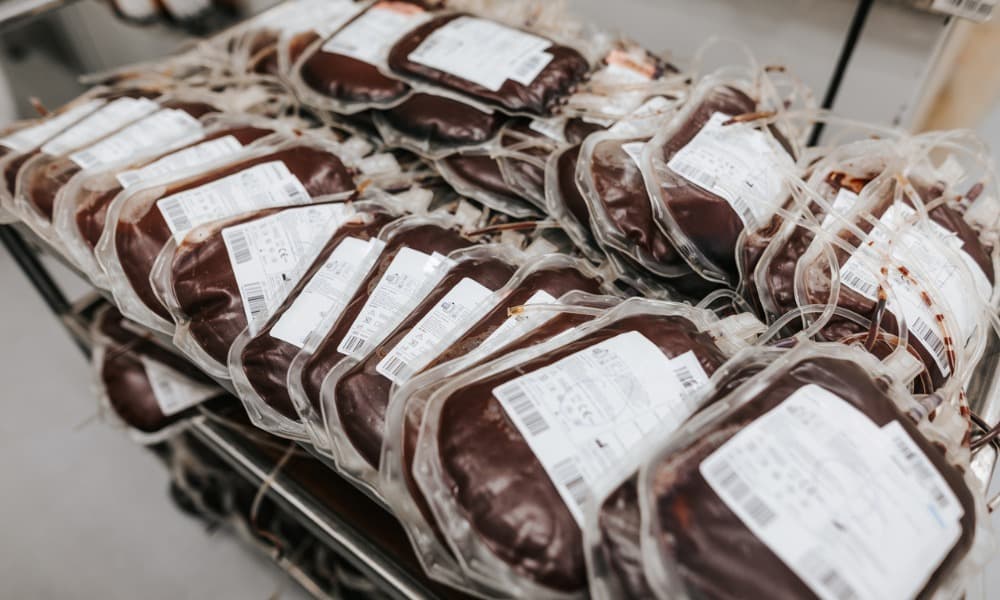
Temperature Indicators for Blood Bags: How to Monitor Blood Bag Storage Temperature in Hospitals
Key Takeaways: U.S. blood supplies are at an all-time low. Improper storage leads to 200,000 to one million wasted units annually, costing up to $230 million (American Journal of Clinical Pathology). Patient safety is at risk – improper blood temperature can cause...

From shipment to rack: end-to-end condition monitoring for data center infrastructure
The physical reality behind digital infrastructure A server rack arrives at a hyperscale facility after a cross-country shipment. It passes a visual inspection, gets installed, and three weeks later an unexpected storage failure surfaces. The investigation leads back...

Hidden transit damage in appliance home delivery
Why proof of delivery doesn’t prove proper handling A shipment can arrive looking fine and still fail after installation. For appliance manufacturers, retailers, logistics providers, and warranty teams, appliance delivery damage is often discovered long after proof of...

Shipment damage in automotive logistics: how to reduce returns and protect revenue
If your damage process starts when a return arrives or a claim gets filed, you are already days late. The operational bottleneck is usually not the inspection capability. It is evidence latency, the delay between a suspect shipment arriving at receiving and a complete...
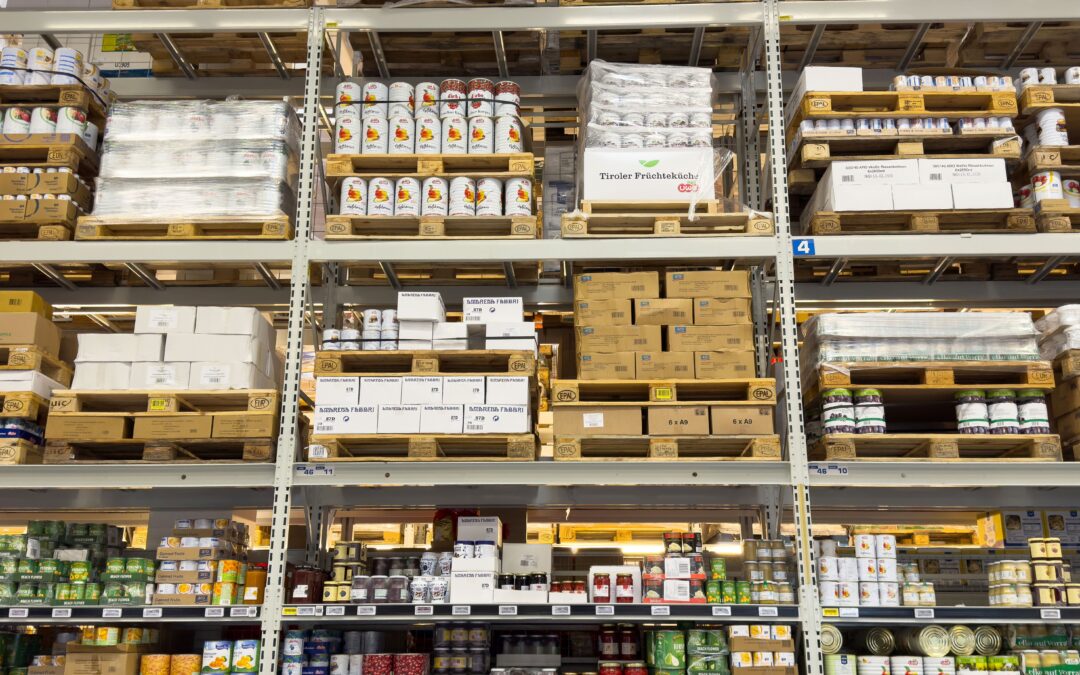
How to use data loggers for thermal mapping in food and beverage storage
Thermal mapping does not usually fail because the data loggers missed something. It fails because the results never change what teams monitor every day or how they respond when a reading is good or bad. A mapping study can produce a clean report, detailed graphs, and...

How one app-free scan resolves cold chain blind spots
A biologic shipment can arrive with pristine packaging and still have experienced an unacceptable freeze condition inside. Cold chain programs invest heavily in validated packaging, qualified lanes, and monitoring technology. Yet at receiving, the person opening the...

Food safety under pressure: documenting temperature checks during peak service
You did the temperature checks. But when the carts move to service, the record is incomplete, smudged, or missing. In high-volume airline catering, temperature checks are routinely completed. What breaks under pressure is not the check itself, but the documentation...

Introducing TiltWatch® XTR QR: Digital traceability for tilt-sensitive assets
Tilt evidence only helps at receiving when it is consistent, time-stamped, and reviewable across hand-offs. TiltWatch® XTR QR adds QR-enabled traceability to a single-use tilt indicator so teams can make clearer good read or bad read decisions and document what...
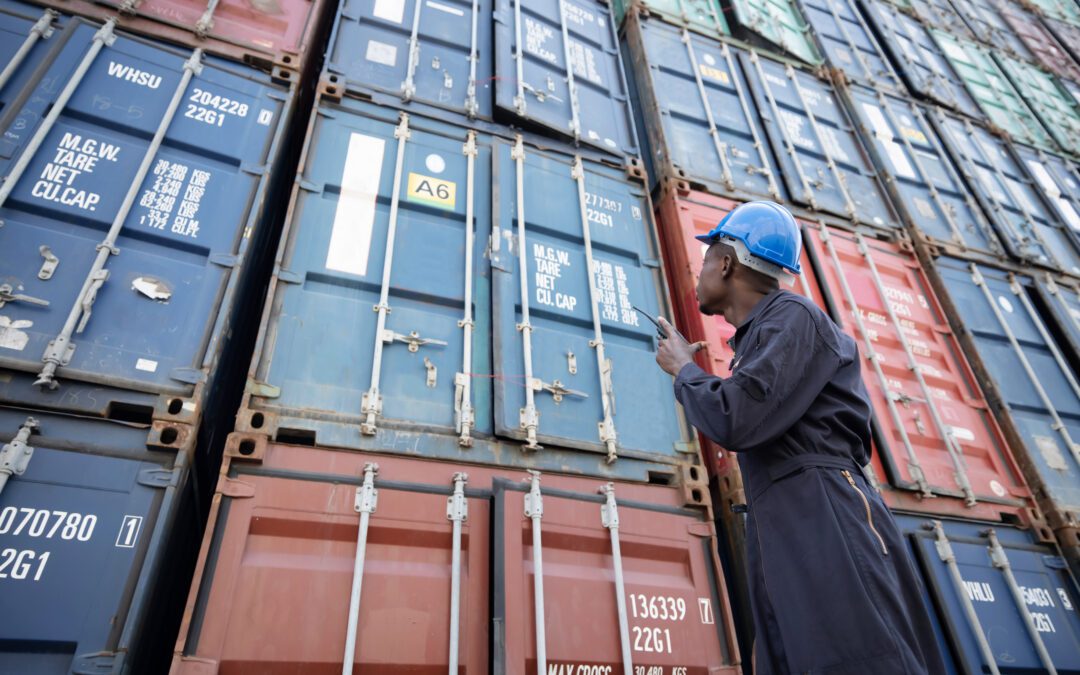
The deterrence effect: how visible shipment monitoring reduces risk
Visible shipment monitoring is not only about detecting an issue after delivery. In receiving operations, its most practical value is that it changes behavior before an issue becomes a receiving exception, because it makes accountability and the next SOP step...

From damage report to decision: speeding up complaint handling in high-value shipments
A high-value shipment arrives at receiving, something looks off, but no one can confirm what actually happened. This is where complaint handling slows down. Not because teams lack process, but because the evidence needed to decide arrives too late. The fastest way to...

Shipment alerts are easy. Designing who acts next is the hard part
Supply chain monitoring only becomes operationally useful when the team has already agreed who will act at the moment an excursion or shock event is flagged. Without that upfront design, connected monitoring often creates inconsistent hand-offs, unclear escalation...


