

A temperature-sensitive shipment arrives at its destination, but the monitoring device indicates that temperatures went outside the acceptable range during transit. Does that mean the product is compromised? Should it be quarantined, returned or released for use?
A temperature excursion does not automatically mean a product is unusable. What matters is understanding what happened, evaluating the available evidence and following the appropriate quality procedures before making a decision.
For logistics, supply chain and quality assurance teams, effective temperature excursion management starts with knowing what information to collect and how different monitoring technologies can help.
What is a temperature excursion?
A temperature excursion occurs when a product is exposed to temperatures outside its defined acceptable range during storage, handling or transportation.
For example, a pharmaceutical product that must be maintained between 2°C and 8°C experiences an excursion if the temperature rises above 8°C or falls below 2°C. However, the consequences depend on the product’s stability characteristics, the temperature reached and the duration of exposure.
Some products may tolerate brief deviations without affecting quality. Others may be sensitive to even relatively short periods of excessive heat or cold.
This is why detecting an excursion is only the first step. The information gathered must support an assessment against the product’s established acceptance criteria.
What information do you need to assess a temperature excursion?
When an excursion is detected, quality and logistics teams need to establish the circumstances surrounding the event.
The most important questions include:
- What temperature was reached? Was the exposure slightly outside the acceptable range or significantly beyond it?
- How long did the exposure last? Was it a brief deviation or a prolonged event?
- When did it happen? Did the excursion occur during transportation, storage or a transfer between facilities?
- Was it an isolated event? Has the shipment experienced multiple temperature deviations?
- Where did it happen? Can the team identify a particular route, facility or handoff that may have contributed?
The answers help determine whether the product requires further investigation and what corrective actions may be appropriate.
Not every temperature-monitoring technology provides the same level of information. The right approach depends on the product’s sensitivity, the evidence required and the decisions teams need to make.
How can temperature indicators help identify an excursion?
Temperature indicators provide visible evidence that a shipment has been exposed to specified temperature conditions. They are particularly useful at receiving and handoff points, where teams need a straightforward way to identify potential issues.
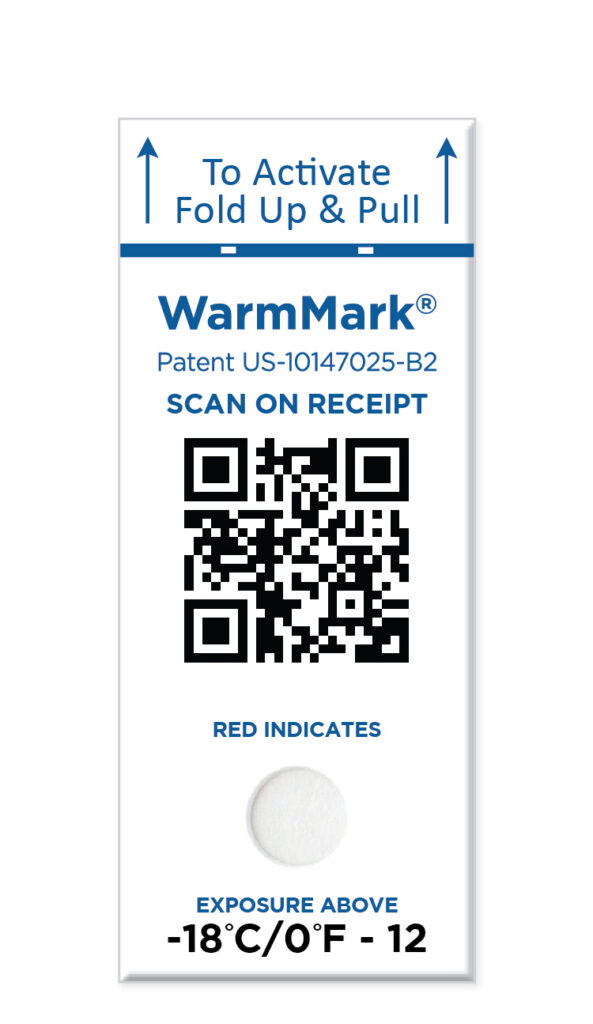
For products sensitive to excessive heat, WarmMark QR is a single-use, battery-free time-temperature indicator that provides evidence of cumulative exposure above a specified threshold. Its irreversible visual indication helps recipients recognize when defined time-temperature conditions have been reached.
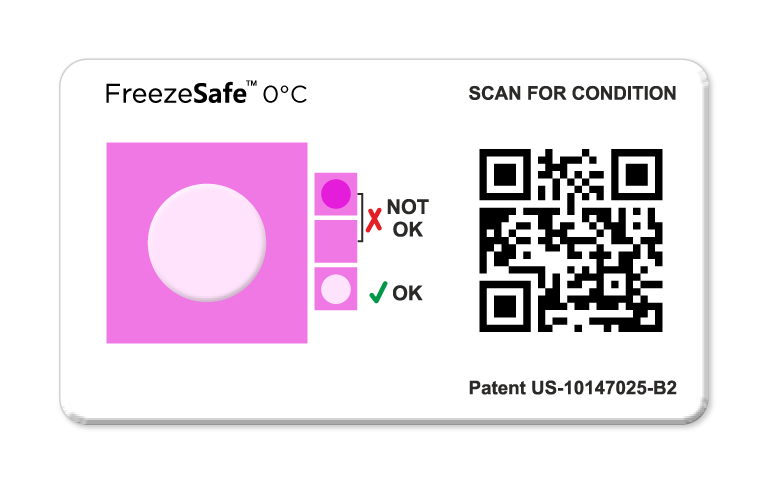
For products sensitive to excessive cold, FreezeSafe QR identifies exposure below a specified temperature threshold through a visible color change.
Both products include QR-enabled documentation. When scanned with a smartphone, the indicator’s condition can be recorded alongside information including the scan time, location and unique serial number in the SpotSee Cloud.
This creates a traceable record that can support receiving procedures, quality investigations and communication between supply chain partners. However, the scan documents the observed condition at that checkpoint. It does not provide a continuous temperature history or establish the exact moment an excursion began.
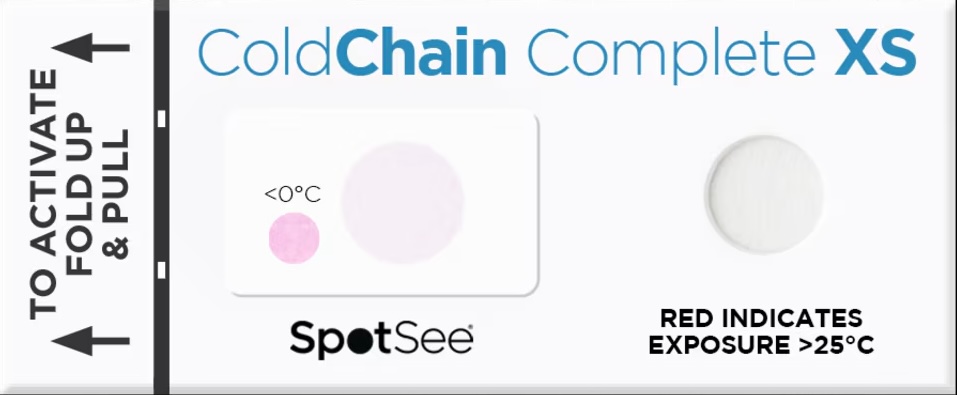
When products must remain within both upper and lower temperature limits, ColdChain Complete combines warm and freeze indicators in one solution, helping teams identify exposure outside a defined temperature range.
When do you need a temperature data logger?
Sometimes, knowing that an excursion occurred is not enough. Quality teams may need a more detailed understanding of how conditions changed throughout the shipment.
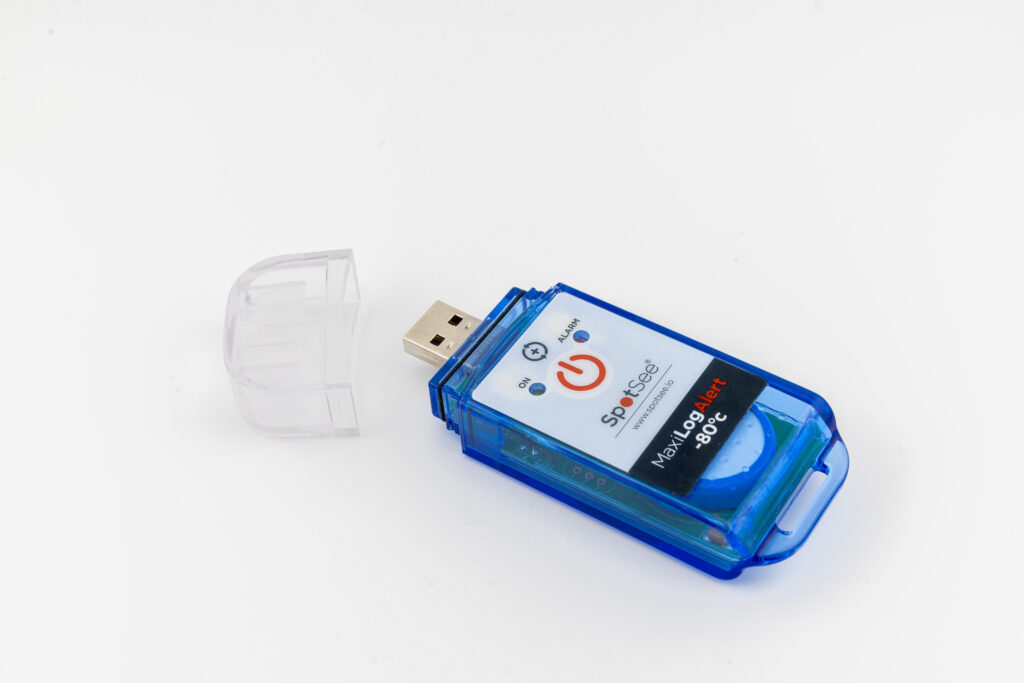
Temperature data loggers record measurements at defined intervals, creating a history that can help teams identify when temperatures moved outside acceptable limits, how long conditions persisted and whether multiple excursions occurred.
For example, SpotSee’s MaxiLog Alert data logger provides recorded temperature data for reviewing shipment conditions. The MaxiLog family also includes options for applications requiring extremely low-temperature monitoring, such as the MaxiLog Alert -80°C.
This information can support deviation investigations, stability assessments and documentation requirements.
Data loggers are particularly valuable when a detailed temperature profile is required. However, they serve a different purpose from visual indicators, which can provide an immediate indication of specified exposure conditions during receiving.
For a deeper comparison, read Temperature sensors or data loggers: Making the right choice for pharmaceutical cold chain shipments.
How can connected monitoring help teams respond before delivery?
Traditional indicators and many data loggers provide information that teams review at designated checkpoints or after a shipment arrives.
Connected monitoring adds another capability: visibility into shipment conditions while goods are still moving.
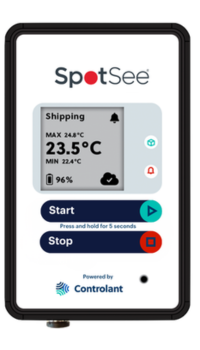
SpotSee Go provides connected temperature and location monitoring, with cloud-based reporting and alerts when monitored conditions move outside configured limits.
For high-value pharmaceuticals, biologics, diagnostic materials and other temperature-sensitive shipments, this visibility can help teams identify potential excursions earlier.
For example, if a shipment experiences an unexpected temperature increase during transportation, an alert may allow the logistics team to investigate the situation, contact the carrier or evaluate possible interventions before delivery.
Connected monitoring does not eliminate temperature excursions, but it can create opportunities to respond while corrective action may still be possible.
What should you do when a temperature excursion occurs?
Once an excursion has been identified, the priority is to protect the product, document the event and follow established quality procedures.
- Document the available evidence. Record the indicator result, temperature history or connected monitoring alert, along with relevant shipment details, timestamps and handling information.
- Protect the shipment from further exposure. Move the product into appropriate controlled conditions when necessary and follow established handling and quarantine procedures.
- Notify the responsible quality team. Escalate the event according to the organization’s standard operating procedures (SOPs), particularly when product quality or regulatory requirements may be affected.
- Assess the excursion against product-specific criteria. Review the available monitoring information alongside approved stability data, validated packaging performance and applicable quality requirements.
- Determine the appropriate disposition. Based on the assessment, the product may be released, require additional investigation or testing, remain quarantined or be rejected.
Temperature monitoring provides evidence to support these decisions. It does not independently determine whether a product is safe or suitable for use.
The final disposition should always follow the applicable product-specific quality and regulatory procedures.
How can temperature excursion data prevent future problems?
Temperature excursions can also reveal opportunities to improve cold chain performance.
When teams consistently capture and review monitoring information, they may identify recurring issues associated with particular transportation routes, carriers, storage facilities or transfer points.
For example, repeated excursions during last-mile delivery could indicate that packaging performance, delivery schedules or handling procedures need to be reviewed. Similar patterns across distribution centers might point to inconsistencies in storage or receiving practices.
QR-enabled records, temperature histories and connected monitoring data can each contribute different information to this analysis.
By examining patterns across shipments, organizations can move beyond responding to individual excursions and work toward reducing recurring temperature risks.
Making better decisions starts with better temperature visibility
A temperature excursion is the beginning of a decision, not the decision itself.
Understanding the temperature conditions, duration of exposure and available shipment history helps teams determine the appropriate next step while maintaining established quality standards.
Whether the application calls for a visual temperature indicator, detailed data logger or connected monitoring solution, the goal is the same: provide reliable evidence that helps teams assess shipment conditions, respond appropriately and improve cold chain performance.
—-
You might also like