

Smart Technology
Temperature Indicating Coatings, Pigments, Ink, Paint & Labels Photochromic Paint, Ink Dyes, Powder, Slurry and Masterbatch
Read More About Smart Technology
Thermochromic technology is one of the foundational tools behind modern cold chain monitoring, giving shippers a simple, reliable way to see whether a temperature threshold was crossed in transit. SpotSee applies this technology across a range of coatings, pigments, paints, inks and labels that function as overtemperature indicators, supporting compliance for pharmaceuticals, diagnostics, electronics and industrial shipments. As supply chain optimization technologies evolve to combine passive and connected monitoring, thermochromic materials remain a dependable, low-cost layer that fits into almost any shipping or storage process. Below, we explain how the technology works, the material categories it spans, and where it fits into a broader monitoring strategy.
What Is Thermochromic Technology?
Thermochromic technology refers to chemical indicators, labels, pigments, paints and coatings engineered to change color when exposed to a specific temperature. Many function as overtemperature indicators, changing color permanently once a set threshold is exceeded, so the color change itself becomes lasting, visible evidence for compliance and quality review. Others are reversible, shifting color back and forth as temperature moves up and down, useful where an ongoing visual read is more valuable than a single permanent record. A related category, photochromic materials, responds to UV light rather than heat, shifting from colorless to colored on exposure and reverting once removed from that light source.
How Thermochromic Technology Works
The materials behind this technology rely on thermochromism, a physical property in which color shifts in direct response to a change in temperature. Photochromic materials work on a related principle, undergoing a photochemical reaction when exposed to UV light rather than heat.
Microencapsulating the active thermochromic compounds, typically liquid crystals or leuco dyes, improves the accuracy, stability and usable life of the finished product. These compounds can be formulated into a label, coating, pigment or paint depending on how and where the monitoring needs to happen, whether that’s a shipping label, a printed indicator on packaging, or a coating applied directly to equipment.
Where Thermochromic Technology Is Applied
- Coatings – applied directly to a surface to add temperature sensitivity to equipment, containers or packaging without changing their core function.
- Pigments – the base color-changing substance, suspended in a liquid vehicle to become a usable paint, ink or coating.
- Paints – used to monitor surface temperature on equipment or infrastructure and alert operators to hazards, maintenance needs or exposure events.
- Inks – printed, sprayed or rolled onto packaging and shipping materials to create a low-cost, high-volume monitoring layer.
- Labels – the most common commercial format, applied to individual shipments as either a reversible read or a permanent overtemperature record.
Each format is suited to a different point in the supply chain, from equipment-level monitoring to individual package labeling.
Thermochromic Technology’s Role in Cold Chain Monitoring and Compliance
On its own, thermochromic technology gives a clear, tamper evident signal at the point of receipt, which supports documentation and compliance review without added infrastructure or setup. For shipments that call for real time temperature alerts throughout transit rather than a single visual checkpoint, this technology works alongside SpotSee’s connected and QR enabled monitoring devices, so a cold chain monitoring program can combine passive and active layers based on the risk and value of each shipment.
Supply Chain Optimization Technologies Built on Thermochromic Science
Supply chain optimization technologies increasingly rely on layered monitoring: passive indicators for cost sensitive, high volume shipments, and connected, data driven devices for high value or highly regulated freight. Thermochromic technology anchors that first layer because it is inexpensive to deploy at scale and requires no calibration or connectivity. SpotSee continues to apply this material science to new formats, including QR enabled versions of legacy indicators, giving shippers a way to modernize monitoring without giving up a proven, physically verifiable technology.
To see the specific indicator products built on this technology, from labels to strips to liquid crystal formats, visit Color Changing Tech or browse the product directory.
Read Less
-

Irreversible Thermochromic Inks
-
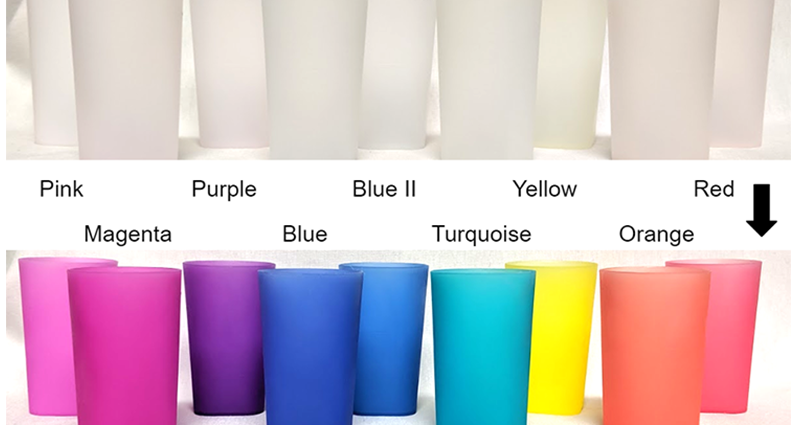
Thermochromic Masterbatch Pellets
-

Thermochromic
Thermochromics, like liquid crystals and leuco dyes, predominantly change color in response to temperature fluctuations.
-

Photochromic Dye: UV-Activated Indicator Technology
-
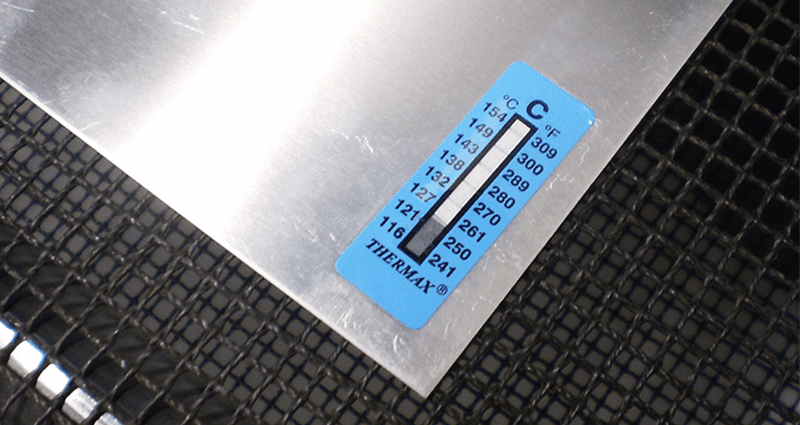
Irreversible Temperature Labels
-
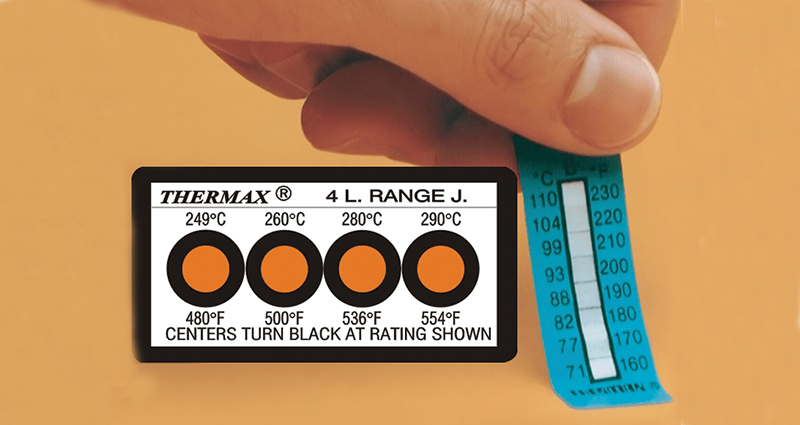
Temperature Indicator Labels
-
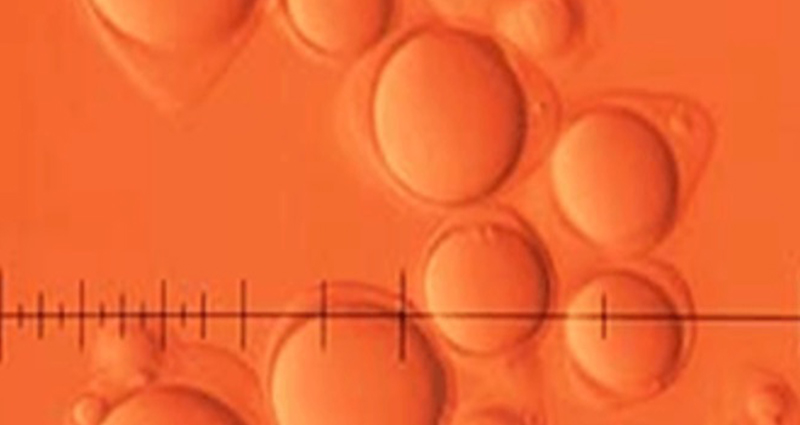
Microencapsulation
-
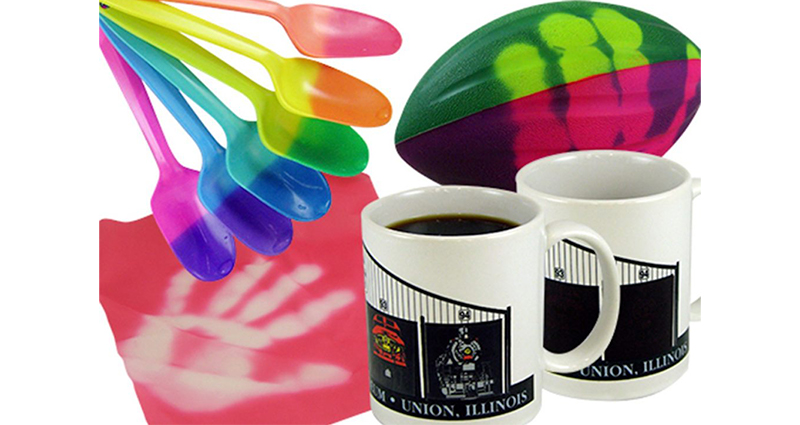
Thermochromics Leuco Dye
Changes color with changes in temperature.
-
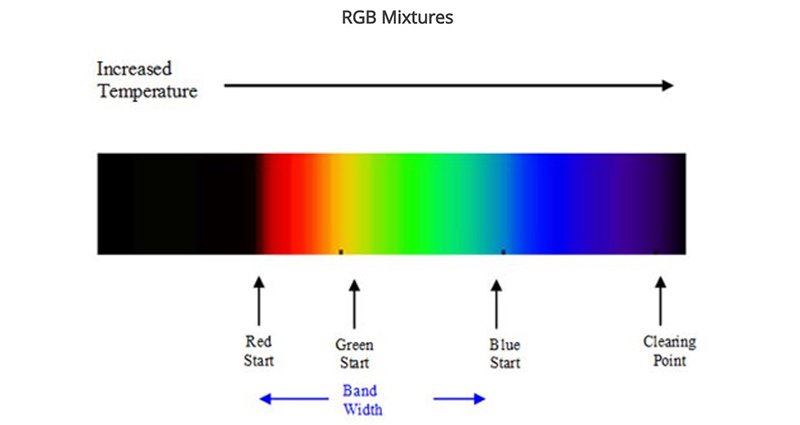
LIQUID CRYSTAL THERMOMETERS
Optically active mixtures of organic chemicals that can be highly temperature sensitive and change to many colors.
-
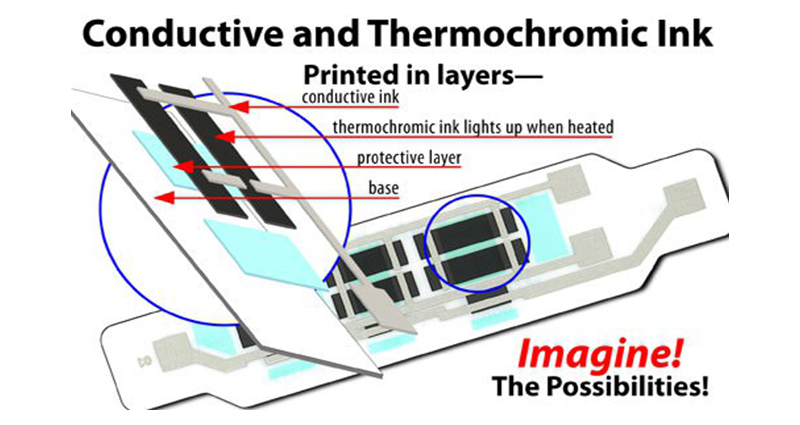
Conductive and Thermochromic Ink
Customized solutions to create various battery powered color changing designs, displays, and messages.
-

Resources For Thermographic Liquid Crystal or TLC Products
Resources for the liquid crystal and TLC products
-
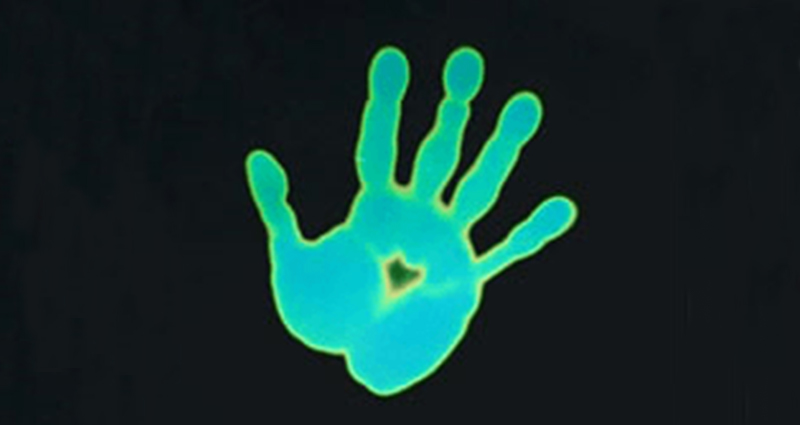
Liquid Crystal Formulations
Highly temperature sensitive, change to many colors, and are more expensive than leuco dyes.


