

Cold chain monitoring is often discussed as a choice between technologies.
Indicator or data logger? Connected or non-connected? Real-time visibility or information at receiving?
But for most logistics, quality and operations teams, the more useful question is broader:
What does our cold chain monitoring system need to help us see, document and act on?
A monitoring system is not simply the device traveling with a shipment. It is the combination of monitoring technology, shipment risk, hand-offs, documentation and the decisions teams need to make when something does not go as planned.
That is why the right cold chain monitoring approach may look very different from one shipment to another.
Think about the cold chain as a series of decision points
A temperature-sensitive product can pass through manufacturers, warehouses, carriers, distribution centers and receiving teams before reaching its final destination.
Every hand-off introduces another moment when someone may need to answer a question.
- Was the product kept within its acceptable temperature range?
- Did it experience excessive heat?
- Was it exposed to freezing conditions?
- Do we need to investigate what happened during transit?
- Is there still time to intervene before delivery?
The monitoring system should be designed around those decisions.
For a relatively simple shipment, teams may only need evidence at receiving that a defined temperature condition occurred.
For a more sensitive or valuable product, they may need a detailed temperature history.
For a complex or time-critical shipment, waiting until delivery may not be enough. Teams may need connected visibility while the shipment is still moving.
The goal is not to add the greatest possible amount of technology to every shipment. It is to create enough visibility to manage the specific risk.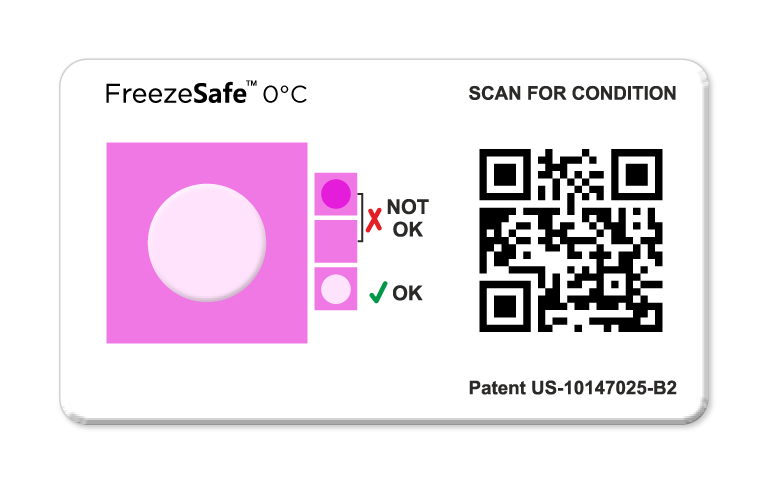
Where temperature indicators fit into a cold chain system
Temperature indicators can provide a straightforward way to identify whether defined conditions occurred during a shipment.
For example, WarmMark QR can help monitor cumulative exposure above a specified temperature while supporting QR-enabled documentation.
FreezeSafe QR addresses a different risk by helping teams identify exposure below a specified temperature.
These types of solutions can be particularly useful when the most important outcome is a clear exception signal rather than a complete record of every temperature reading.
They can also support workflows where multiple people interact with a shipment. QR-enabled documentation can help capture information at selected points without requiring every user to download and interpret a complete data file.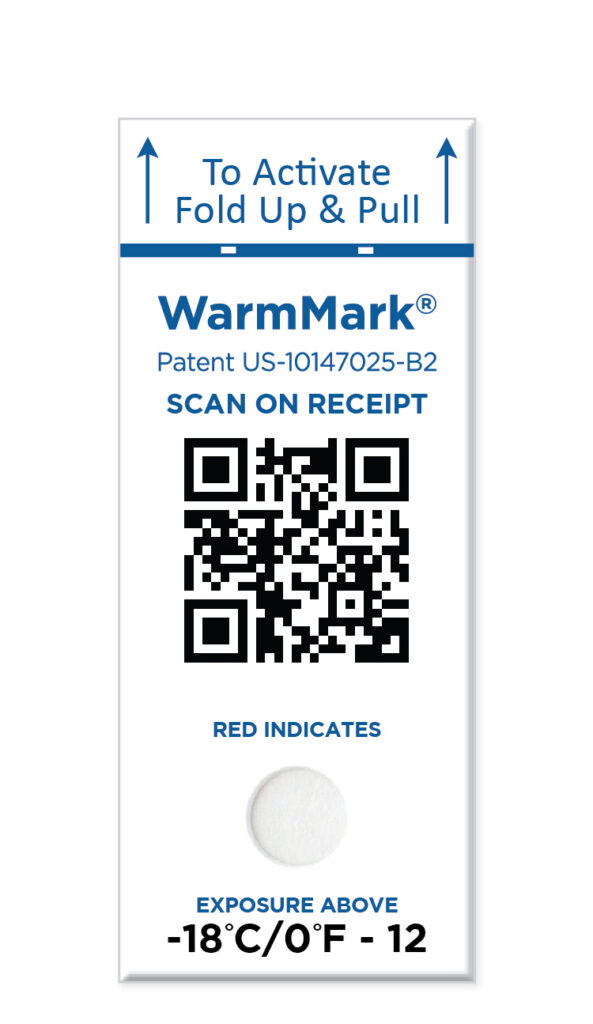
What if both upper and lower temperature limits matter?
Some products are vulnerable in both directions.
A shipment may need protection from excessive heat while also remaining above a minimum temperature.
In those situations, monitoring only one side of the acceptable range can leave an important gap.
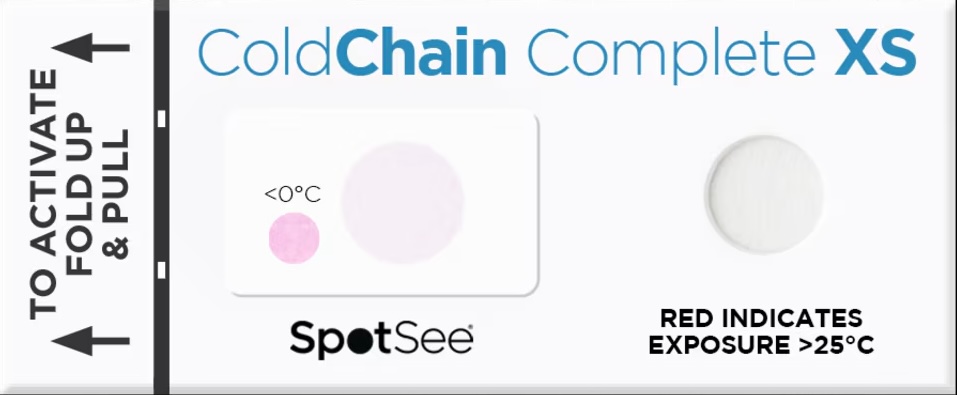
ColdChain Complete can be relevant where both upper and lower temperature thresholds need to be monitored on the same product or shipment.
This is less about adding another technology category and more about matching the monitoring approach to the actual stability range of the product.
If both heat exposure and freezing can compromise the shipment, both risks need to be visible.
When the shipment needs to tell a fuller story
An exception indicator can tell a receiving team that something happened. Sometimes that is enough. Sometimes the next question is immediately: When did it happen and for how long?
That is where electronic data loggers become more useful.
MaxiLog Data Loggers can record temperature measurements over time, creating a history that teams can review after or during the shipment depending on the solution and workflow.
That added detail can support investigations, quality review and documentation when a simple exception signal cannot answer all of the questions involved.
A detailed record may be especially important when:
- Product sensitivity is high
- Shipment value justifies deeper review
- Quality teams need evidence of conditions across the journey
- Multiple excursions may need to be distinguished
- Decisions depend on the duration and timing of an event
The September article, QR indicator vs. data logger: how much shipment data do you actually need?, explores that specific decision in more detail. The broader point here is that data loggers occupy one level within a larger monitoring system.
When knowing at receiving is too late
Traditional monitoring often supports a decision after a shipment arrives. Connected monitoring changes the timing of that decision.
Instead of learning about a potential problem at receiving, teams can gain visibility while goods are still in transit.
That can matter when there is still something useful to do. A delayed high-value shipment may need rerouting. A temperature excursion may require escalation. A shipment approaching a critical destination may need additional attention before delivery.
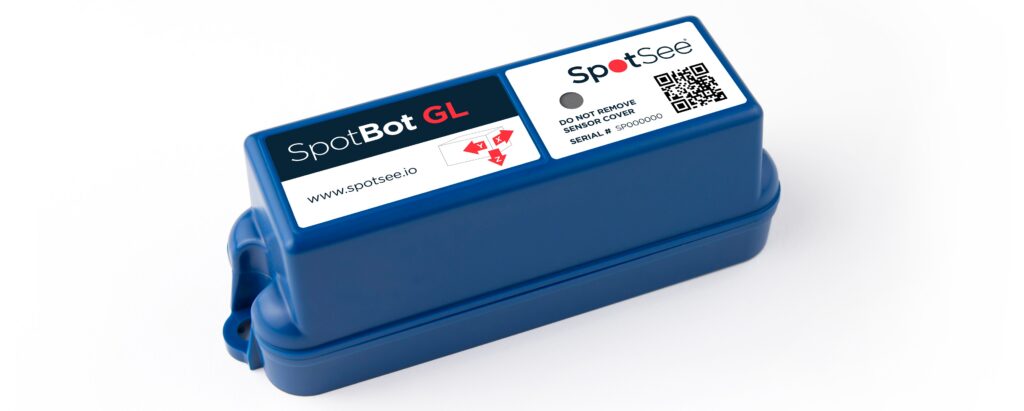
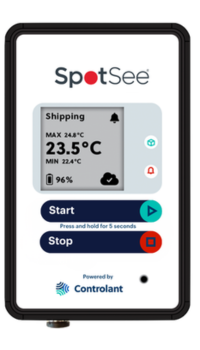
Connected solutions such as SpotBot GL and SpotSee Go can support workflows where teams need remote visibility into shipment conditions.
The value of connectivity is therefore not simply that it produces more data.
Its value comes from moving the decision earlier.
If knowing about an event during transit allows a team to respond differently than knowing about it after delivery, connected monitoring may provide an operational advantage.
If no action can or needs to be taken before arrival, that additional connectivity may not be necessary.
A cold chain monitoring program does not need one technology everywhere
Large cold chain programs rarely consist of one shipment type, one risk profile or one operational workflow.
A company may ship:
- Lower-risk products on predictable domestic lanes
- Higher-value products through multiple international hand-offs
- Products vulnerable primarily to freezing
- Products with narrow upper and lower temperature limits
- Critical shipments where teams need visibility before delivery
Using the same monitoring approach for every shipment can therefore create either too little information for high-risk movements or unnecessary complexity for lower-risk ones. A more scalable approach is to define monitoring levels.
For example, one shipment profile might require a simple visual or QR-enabled indicator. Another might require a complete temperature history. A third might justify connected monitoring because the cost of identifying an issue too late is significantly higher.
The technologies can coexist within the same cold chain program.
The important part is establishing clear criteria for when each level is used.
Build the monitoring approach around risk, workflow and response
When evaluating a cold chain monitoring system, it helps to look beyond the device itself.
Consider the entire workflow.
Product sensitivity
- How narrow is the acceptable temperature range?
- Can both heat and freezing affect product condition?
- How much exposure can the product tolerate before further assessment is needed?
Shipment value and criticality
- What is the consequence of losing or delaying the shipment?
- Would additional visibility materially change how the team manages that risk?
Hand-offs
- How many organizations or locations interact with the shipment?
- Does each hand-off create a need to document condition or verify that the shipment can continue?
Timing of the decision
- Does the team only need information at receiving?
- Or could knowing earlier allow someone to intervene?
Documentation requirements
- Is a simple visible result sufficient?
- Does the organization need digital documentation?
- Is a detailed historical record required for quality review or investigation?
Program scale
A monitoring approach that works for a small number of critical shipments may be difficult to manage across thousands of routine shipments.
The system should support both the level of risk and the practical realities of the operation.
The best monitoring system is the one that supports the next action
Cold chain monitoring is most valuable when the information collected leads to a clear decision.
An indicator may tell a receiving team to hold a shipment for review.
A data logger may provide the history needed to investigate whether an excursion affected product condition.
Connected monitoring may allow a logistics team to act before the shipment reaches its destination.
Those are different levels of visibility serving different operational needs.
The question is not whether indicators, data loggers or IoT monitoring are universally better.
It is whether the information each provides is appropriate for the risk, workflow and response associated with a particular shipment.
Frequently asked questions about cold chain monitoring systems
What is a cold chain monitoring system?
A cold chain monitoring system is the combination of technologies and processes used to observe, document and manage temperature conditions as temperature-sensitive products move through storage and transportation.
Depending on the application, that may include indicators, electronic data loggers, connected monitoring solutions or a combination of technologies.
Do all cold chain shipments need a data logger?
No. A data logger is useful when teams need a detailed history of temperature conditions over time.
If the operational decision only requires knowing whether a specified condition occurred, an indicator may provide sufficient information with a simpler workflow.
When is IoT monitoring useful in the cold chain?
Connected or IoT monitoring is most useful when having shipment-condition information during transit can change what the team does.
This may include high-value, time-sensitive or complex shipments where early awareness can support intervention, escalation or other action before delivery.
Can one shipment need both heat and freeze monitoring?
Yes. Some temperature-sensitive products have both an upper and lower acceptable temperature limit.
If excessive heat and excessive cold can both affect the product, the monitoring approach should address both risks. ColdChain Complete can be relevant in applications where upper and lower thresholds both need to be monitored on the same product or shipment.
Can companies use different monitoring technologies within the same cold chain program?
Yes. Different products, shipping lanes and risk levels can justify different monitoring approaches.
A company may use indicators for one type of shipment, data loggers for another and connected monitoring for its most critical or complex movements.
Is more cold chain data always better?
Not necessarily. More data is only useful if it supports a decision, documentation requirement or operational response.
The goal is to collect enough information to manage the shipment effectively without adding unnecessary complexity.
From monitoring devices to a monitoring system
Cold chain monitoring works best when technology is selected as part of a larger operational system.
That means understanding where risk exists, when decisions need to be made, who needs access to information and what action should follow when an exception occurs.
Indicators, data loggers and connected monitoring each provide different levels of visibility.
Used appropriately, they can also work together across a cold chain program, giving teams the information they need at the point where it can make the greatest difference.
—-
You might also like


