

A fragile shipment is not necessarily vulnerable to every type of handling event.
Some products can be damaged by a sudden impact. Others need to remain upright throughout transportation. Some sensitive or high-value assets face both risks.
That distinction matters when choosing a monitoring approach. The goal is not simply to monitor a shipment because it is fragile. It is to understand what type of handling event could compromise the product and what information your team needs to make the right decision when it arrives.
Start with the handling risk
Impact monitoring and tilt monitoring answer two different questions.
Impact monitoring asks: Did the shipment experience a shock event above an acceptable threshold?
Tilt monitoring asks: Was the shipment tipped or moved outside its required orientation?
For some products, only one of these conditions represents a meaningful risk. For others, either could affect product condition, performance or installation.
The right approach depends on factors such as product sensitivity, packaging, shipment value, transportation method and the handling environment throughout the journey.
Impact monitoring: when shock or rough handling is the primary risk
Products such as precision equipment, electronics, medical equipment and industrial machinery can contain sensitive components that may be affected by drops, shocks or rough handling even when the external packaging looks intact.
For shipments where impact is the primary concern, an impact indicator can provide a straightforward way to identify a handling exception.
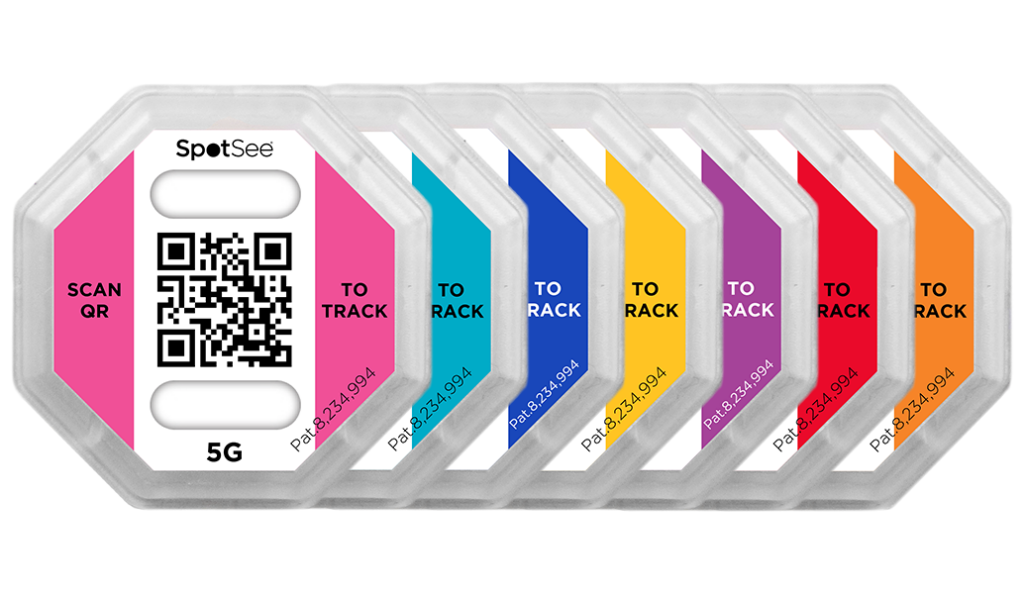
ShockWatch 2 QR is a single-use impact indicator that permanently changes from clear to red when an impact exceeds its selected G-force threshold. A smartphone scan adds a digital record including the indicator condition, time, location and serial number to the SpotSee Cloud.
This can support a simple receiving workflow: if the shipment arrives without an indicated impact, the team can follow its normal process. If an impact is indicated, the shipment can be held for further inspection according to the organization’s procedures.
Tilt monitoring: when orientation matters
Other products may be less vulnerable to a single impact but need to remain upright throughout handling and transportation.
A crate can arrive upright at its destination without revealing that it was tipped earlier in the journey. For equipment with orientation-sensitive internal components, that information can matter.
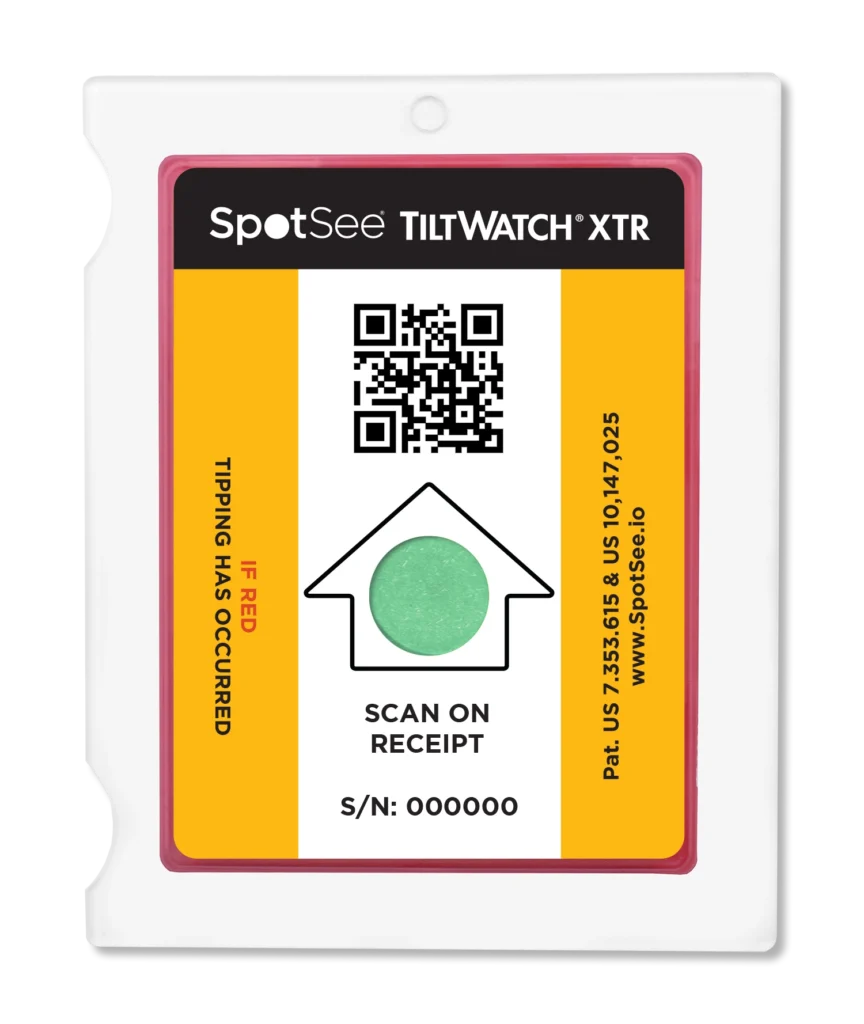
TiltWatch XTR QR provides visible evidence when a shipment tips beyond 80 degrees. A smartphone scan can capture the tilt status together with information including time, location and serial number and send the record to the SpotSee Cloud.
This type of monitoring can be useful for industrial machinery, medical equipment, electronics and other products where maintaining the correct orientation is important during transportation or storage.
When should you monitor both impact and tilt?
Some shipments face both risks.
A piece of precision machinery, for example, could be affected by a significant shock during loading and could also be compromised if a crate is tipped during handling.
Using impact and tilt monitoring together can help teams distinguish between different types of handling events.
The important question is not simply whether a product is considered fragile. Instead, teams should look at its actual vulnerabilities:
- Could an impact damage internal components?
- Could tipping or inversion affect the product?
- Could both conditions create a reason for inspection?
Understanding those failure modes helps determine whether impact monitoring, tilt monitoring or a combination of both is appropriate.
When do you need more information?
A visual or QR-enabled indicator can be enough when the main question is whether a defined handling event occurred.
But some workflows require more detailed information.
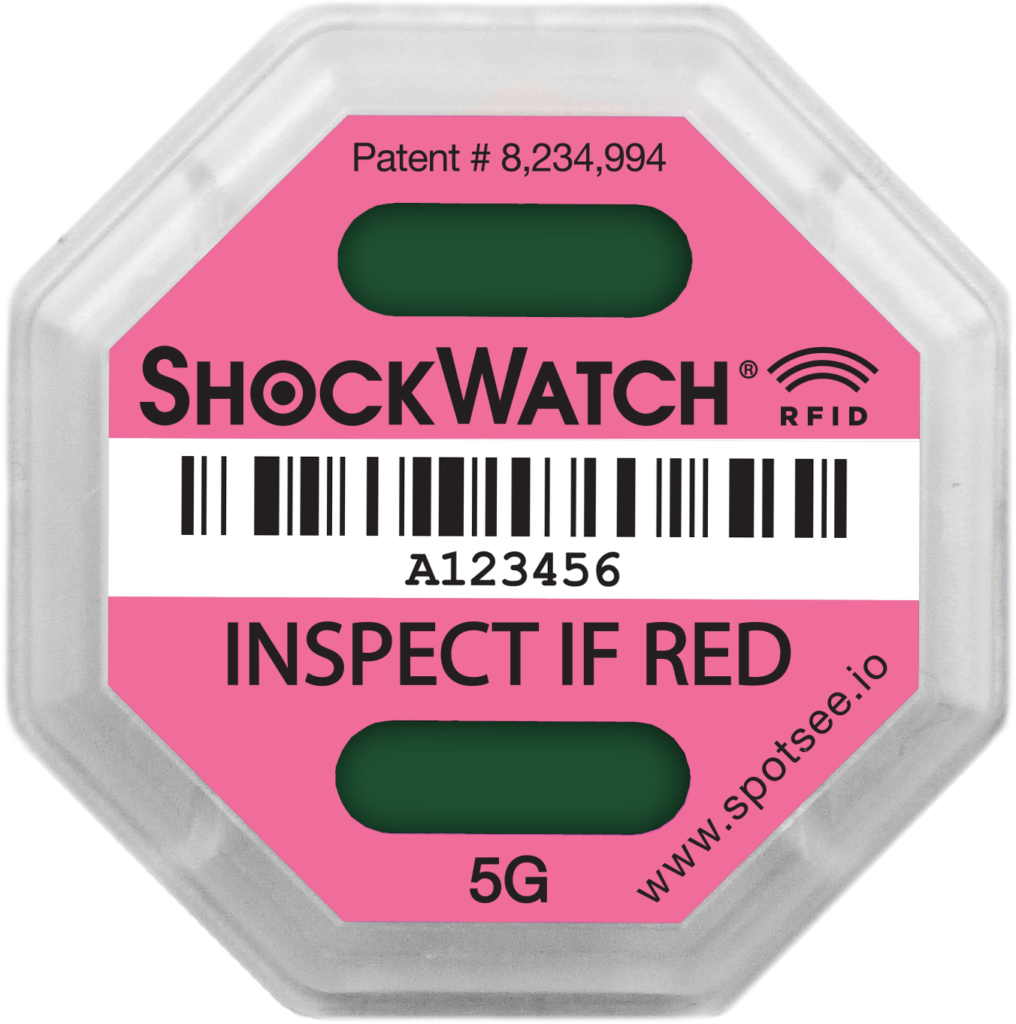
ShockWatch RFID adds impact monitoring to RFID-based inventory and warehouse workflows. The passive RFID tag can be read with compatible UHF RFID scanners and incorporated into existing RFID systems.
For applications where teams need electronic monitoring rather than a simple exception indicator, products such as SpotSee’s connected monitoring solutions can provide greater visibility into shipment conditions.
For example, ShockLog 298 records shock, vibration and environmental conditions over time. Optional sensors can add information such as tilt and roll.
When paired with ShockLog Cellular GL, the system adds cellular connectivity and remote access to impact and environmental data. Teams can receive alerts when defined thresholds are exceeded and review shipment information through a cloud-based dashboard.
The objective is not automatically to choose the solution that produces the most data. It is to match the level of visibility to the decision the team needs to make.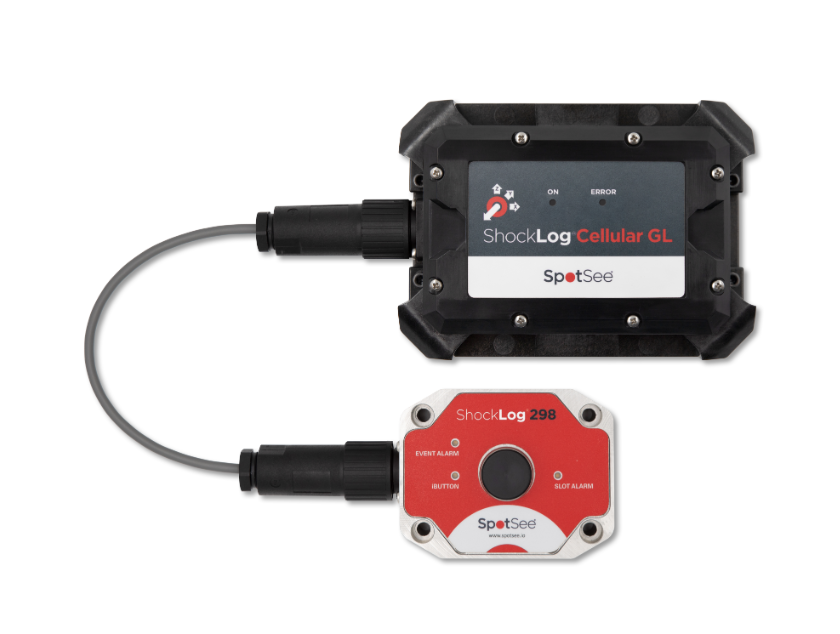
How to choose the right approach
A practical way to narrow the options is to begin with a few questions.
Is shock the main handling risk?
Consider impact monitoring.
Does the product need to remain upright?
Consider tilt monitoring.
Could either type of event compromise the shipment?
Consider monitoring both impact and tilt.
Do you mainly need to know whether a defined exception occurred?
A visual or QR-enabled indicator may provide enough information.
Do you need a detailed record of handling conditions or greater visibility during transit?
An electronic or connected monitoring solution may be more appropriate.
Product fragility, packaging, shipment value, transportation conditions and the number of hand-offs should also influence the decision.
Most importantly, consider what your team will do with the information. Monitoring is most useful when a defined condition leads to a clear receiving, inspection or escalation process.
Match the monitoring to the risk
There is no single monitoring approach for every fragile shipment.
Impact monitoring can help identify potentially damaging shocks. Tilt monitoring can show whether an orientation-sensitive shipment was tipped. Using both may make sense when either type of handling event could compromise the product.
From there, teams can decide how much visibility they actually need, from a simple indication that an exception occurred to a detailed electronic or connected record of shipment conditions.
Starting with the risk rather than the technology makes it easier to choose a monitoring approach that provides useful information without collecting more data than the workflow requires.
—-
You might also like


