

A shipment arrives at the receiving dock. The packaging is intact. The carrier marks it delivered. No one flags anything. Later, a component fails inspection, a temperature-sensitive product is found to have been compromised, or a warranty claim is filed.
This scenario is common across manufacturing, distribution, pharmaceuticals, and industrial supply chains. The problem is not that damage or excursions occur. It is that the evidence needed to determine when and where they happened is often unavailable at the moment it matters most: receipt.
Condition monitoring is shifting as a result. Rather than relying on historical review after something goes wrong, more organizations are moving evidence capture to the receiving dock, where operational decisions are made.
Monitoring has historically happened after the damage is already done
For years, shipment condition data was often reviewed only after a complaint, product failure, or claim triggered an investigation. By then, the shipment had usually been accepted, moved, and processed, making it difficult to determine whether the issue occurred during transit, at receipt, or later in the workflow.
The operational cost is significant. Teams spend time reconstructing events, resolving disputes, and processing replacement shipments instead of acting on documented evidence captured at hand-off.
This is not an isolated problem. It is a structural one. The gap is predictable and repeatable, and it affects any operation that accepts shipments without documented condition evidence at the moment of hand-off.
The receiving dock is the last moment where condition can be verified with full context
The receiving dock is the last point where the shipment is still in transit and a documented decision can be linked directly to carrier responsibility. After acceptance, that context begins to disappear.
This is why the good read or bad read concept matters. Receiving teams already make routing decisions every day. Condition monitoring simply turns those decisions into documented, defensible records.
A receiving team that can confirm a shipment’s condition at hand-off, with a record attached to that moment, is in a fundamentally different position than one that can only say the package looked fine when it arrived.
QR-enabled indicators bring the condition record to the person holding the shipment
The practical challenge of dock-level documentation has always been that the people doing the receiving are not quality analysts. They are handling volume, working quickly, and do not have time for complex systems or additional steps.
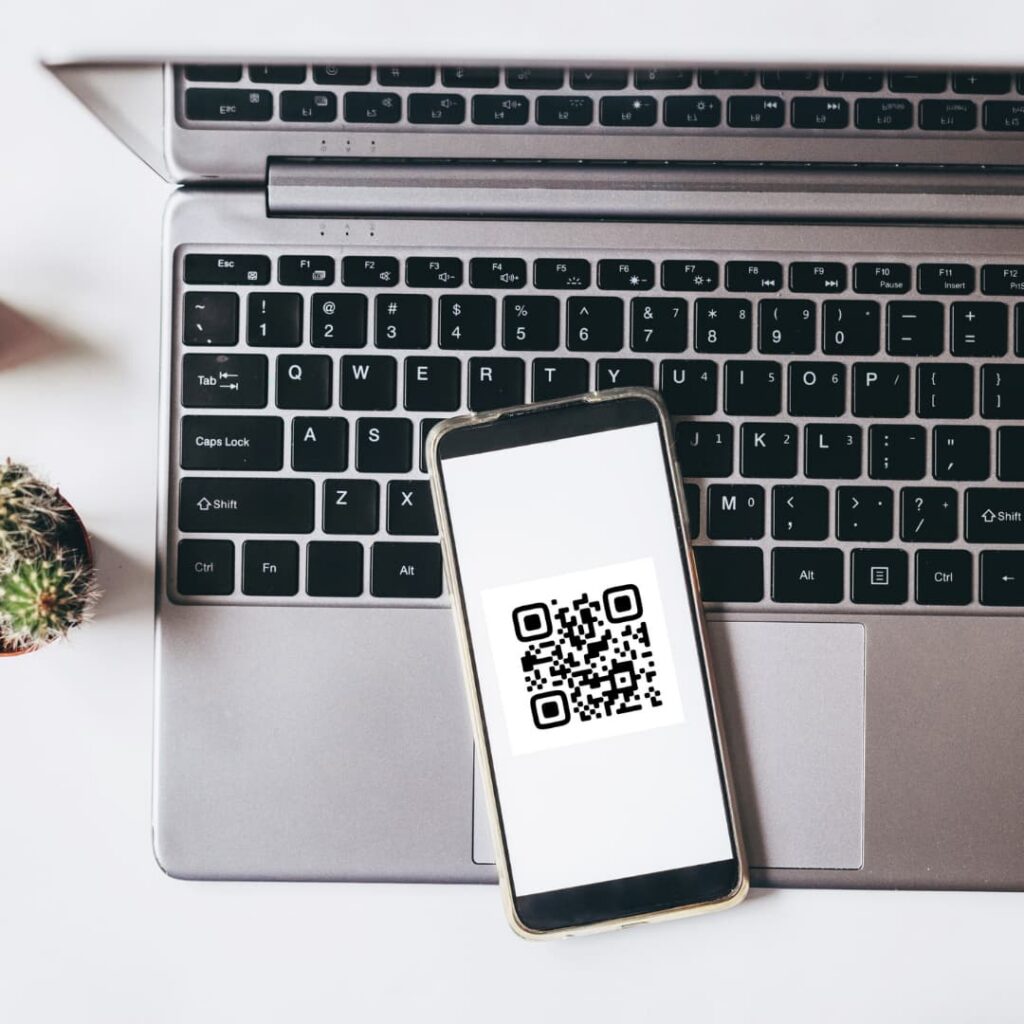
QR-enabled indicators are designed around that reality. WarmMark QR provides a visual condition read for heat exposure. FreezeSafe QR addresses freeze events. ShockWatch 2 QR covers impact. Each indicator travels with the shipment and carries its condition history visually. A scan at receipt creates a documented record at the moment of hand-off, without requiring specialized equipment or system integration at the dock.
This matters most when a shipment needs to be rejected or flagged. When that happens, the documentation already exists. The investigation starts with evidence, not assumptions. Claims can be filed immediately, with a timestamped record attached.

Connected devices extend condition visibility across longer transit windows and higher-value shipments
For some shipments, a visual indicator at receipt is the right level of monitoring. For others, the decision requires more: a full record of what happened across the entire transit window, with location and timeline data that supports a deeper investigation.
SpotBot GL and ShockLog Cellular GL + ShockLog 298 serve a different purpose. Rather than documenting condition only at receipt, they provide connected visibility throughout transit, helping teams understand where and when impacts or environmental excursions occurred.
Indicators answer the receipt question. Connected devices support investigation, carrier accountability, and trend analysis across shipments.
This level of monitoring is most relevant for high-value shipments, long-haul routes, or repeat lanes where condition patterns over time inform operational decisions beyond any single delivery.
Documentation at hand-offs is becoming a standard expectation, not a premium practice
The expectation that condition evidence exists at the point of receipt is increasing across industries. It is showing up in customer requirements, insurer expectations, and procurement standards. Teams that cannot produce a condition record at the moment of hand-off are increasingly at a disadvantage when disputes arise.
Claims and carrier disputes resolve faster when the documentation is timestamped to the moment of hand-off. Investigations that begin with evidence are shorter, less costly, and more likely to reach a clear conclusion than those that begin with reconstruction. The administrative burden of claims does not disappear, but it becomes manageable when the evidence is already in place.
This is the operational shift that condition monitoring at receipt enables. Good read / bad read at the dock. Accept / reject decisions with documentation attached. A reduction in the volume and duration of claims investigations. These are not aspirational outcomes. They are the direct result of moving condition visibility to the moment it is most useful.
Start at the dock
For logistics and supply chain teams evaluating where condition monitoring fits in their receiving workflow, the starting point is straightforward. Identify which shipments carry the highest cost when condition is discovered too late. Match the level of monitoring to the level of evidence the decision requires.
SpotSee’s range of indicators and connected devices is designed for exactly that moment. From a visual read at receipt to a full transit record for high-value shipments, the right tool is the one that puts evidence in the hands of the person making the decision.
Frequently asked questions
What is condition monitoring at receipt?
Condition monitoring at receipt means verifying the physical state of a shipment, whether it was exposed to heat, freeze, impact, or other factors, at the moment it arrives at the dock, before acceptance. It uses indicators or connected devices that travel with the shipment and provide a readable condition record at hand-off, without requiring a back-office review or a separate investigation.
Why does it matter whether monitoring happens at receipt versus after delivery?
Once a shipment is accepted, the chain of custody shifts and the carrier’s accountability ends. Any condition evidence gathered after that point cannot be reliably linked to a specific transit event. Monitoring at receipt captures condition data while the shipment is still in its transit state, making accept or reject decisions documentable and defensible. Evidence gathered after the fact rarely resolves disputes as cleanly.
What is the difference between a QR-enabled indicator and a connected device?
A QR-enabled indicator, such as WarmMark QR, FreezeSafe QR, or ShockWatch 2 QR, travels with the shipment and provides a visual condition read at receipt. A scan at the dock creates a timestamped record. A connected device such as SpotBot GL or ShockLog Cellular GL provides continuous condition data across the full transit window, with location and timeline detail. Indicators answer the receipt question. Connected devices answer the investigation question. The right choice depends on the level of evidence the shipment decision requires.
Does using condition indicators at receipt replace validated packaging or data loggers?
No. Condition indicators complement validated packaging and data loggers. They provide operational visibility at the point of receipt, supporting the accept or reject decision and creating documentation at hand-off. They do not replace validated processes or serve as a substitute for data loggers where those are required by regulation or quality standards.
Which shipments benefit most from condition monitoring at receipt?
Shipments where discovering damage after acceptance creates significant operational or financial consequences, including temperature-sensitive products, fragile components, high-value equipment, and shipments with recurring handling issues. Connected devices provide additional visibility for long-haul or high-value lanes.
—
You might also like


