

Once you know impact is a meaningful risk for a shipment, the next question is not simply whether to monitor it.
It is what type of impact monitoring the shipment actually needs.
For some shipments, a clear visual indication that a potentially damaging impact occurred may provide enough information to support a receiving decision. Others may benefit from digital documentation, RFID integration, detailed event data or connected visibility while goods are still in transit.
The right choice starts with understanding the shipment, the workflow around it and what your team needs to know when an impact event occurs.
Start with the decision your team needs to make
Impact-monitoring solutions do not all answer the same question.
A visual indicator can tell a receiving team that a shipment experienced an impact above a specified threshold. A QR-enabled indicator can add a digital record to that visual result. RFID can integrate condition monitoring into an existing inventory workflow. Electronic recorders can provide more detailed information about what happened during transport while connected solutions can extend visibility beyond delivery.
The goal is not to collect as much shipment data as possible.
It is to collect the information your team needs to make the next decision.
That might mean deciding whether a shipment should proceed through receiving, whether it requires additional inspection or whether a significant event needs further investigation.
Consider the shipment itself before choosing an impact monitor
Before comparing technologies, start with the characteristics of the shipment and the environment it will encounter.
Important considerations include:
- Product fragility and sensitivity
- Shipment weight
- Packaging configuration
- Transportation method
- Expected handling environment
- Shipment value
- Consequences of damage
- The level of impact that could potentially compromise the product
- What receiving or quality teams will do if an impact is detected
Protective packaging and impact monitoring also serve different purposes. Packaging is designed to help protect the product while monitoring provides information about what the shipment experienced.
The two should work together rather than one replacing the other. As SpotSee explains in its article on automotive shipment damage and receiving decisions, impact indicators complement validated packaging design and testing rather than replacing them.
Selecting a precise impact sensitivity also requires more than applying a generic rule based on weight or product type. SpotSee provides a ShockWatch Calculator and ShockWatch 2 QR overview to help teams evaluate the appropriate sensitivity for their application.
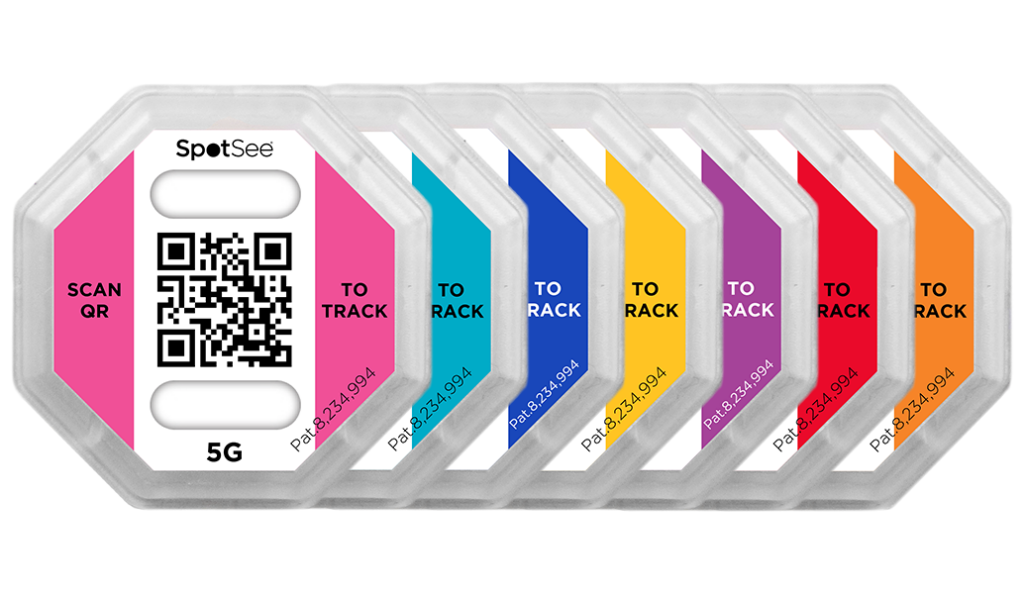
When visual indication and digital documentation are enough: ShockWatch 2 QR
For many shipments, the most important question at receiving is straightforward:
Did this shipment experience an impact above the selected threshold?
ShockWatch 2 QR provides a visible indication when that occurs while adding digital documentation through a QR code.
The battery-free indicator permanently changes from clear to red when an impact exceeds its specified threshold. A receiver can then scan the QR code using a smartphone to document the condition of the indicator along with information associated with the scan.
This can be particularly useful when teams want a simple visual decision point while also creating a digital record at receiving or during handoffs.
For example, SpotSee describes how ShockWatch 2 QR can support the transport of industrial robots and automation equipment where receivers may need to quickly identify equipment that should be inspected before installation or commissioning.
This type of solution can make sense when teams need more traceability than a visual indication alone but do not require a detailed electronic history of every impact event.
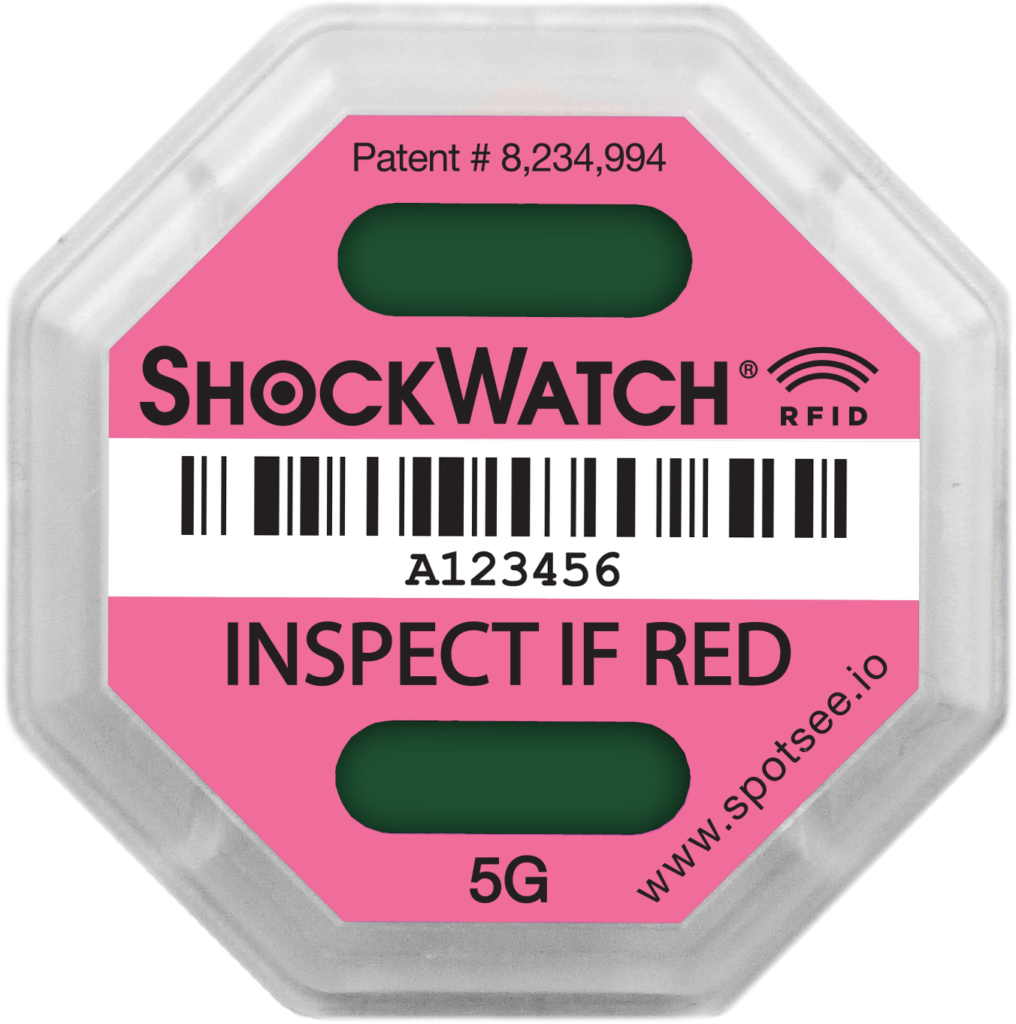
When RFID fits the workflow: ShockWatch RFID
Some organizations already use RFID technology to identify and manage assets throughout warehouses and supply chains.
In those environments, ShockWatch RFID can add impact monitoring to the existing RFID workflow.
The passive, battery-free tag works with UHF RFID scanners and can communicate both a unique asset identifier and whether the indicator has experienced an impact event.
This means warehouse or logistics teams can incorporate condition information into workflows they already use rather than introducing a separate manual inspection process.
RFID therefore becomes less about collecting additional impact detail and more about integrating condition monitoring efficiently across larger numbers of assets.
When you need detailed event data: ShockLog 298
Sometimes knowing that an impact occurred is not enough.
Engineering, quality or logistics teams may need to understand the characteristics of an event in greater detail, particularly when monitoring high-value equipment or investigating transport conditions.
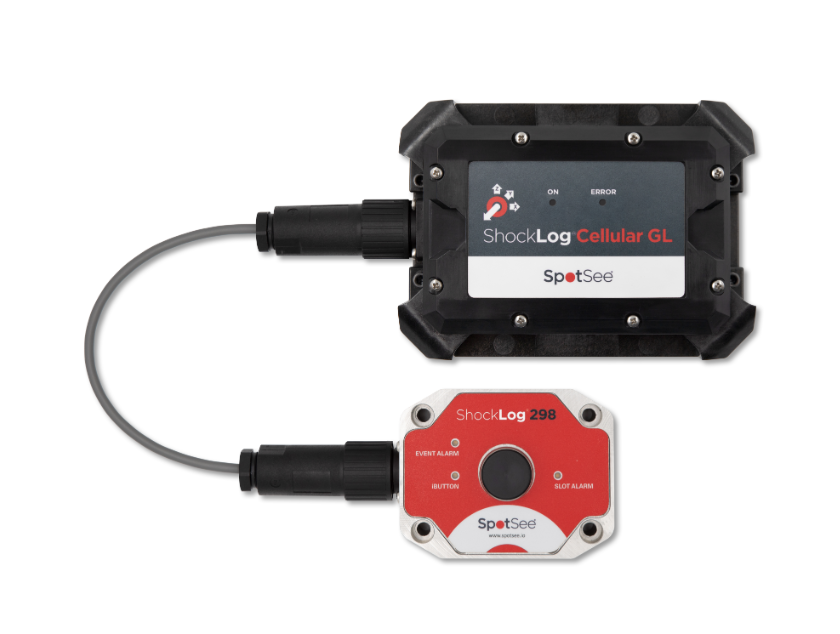
ShockLog 298 is an electronic impact recorder designed to monitor and record shock and vibration during transportation and handling.
Rather than providing a simple triggered or non-triggered result, an electronic recorder can help teams examine the events a shipment experienced over the course of its journey.
This additional information can be valuable when teams need to investigate potential damage, understand handling conditions or identify recurring transportation issues.
SpotSee provides additional context in its article on shock and vibration monitoring, which explains the differences between basic impact indicators and more advanced impact-recording technologies.
When remote visibility matters: ShockLog Cellular GL
For some shipments, teams cannot wait until delivery to understand whether something significant happened in transit.
ShockLog Cellular GL adds cellular connectivity to a ShockLog 298 monitoring setup, allowing impact and environmental information to be transmitted remotely.
When connected to ShockLog 298, the system can monitor conditions including shock, vibration, temperature, humidity, tilt and roll while providing cloud-based access to impact logs and alerts.
This type of connected monitoring can be appropriate for sensitive, high-value or complex shipments where teams may benefit from knowing about significant events while the asset is still moving rather than discovering them only at receiving.
Connectivity does not automatically make it the right solution for every shipment. It becomes useful when remote visibility can actually change what the team does with the information.
Where SpotBot GL fits
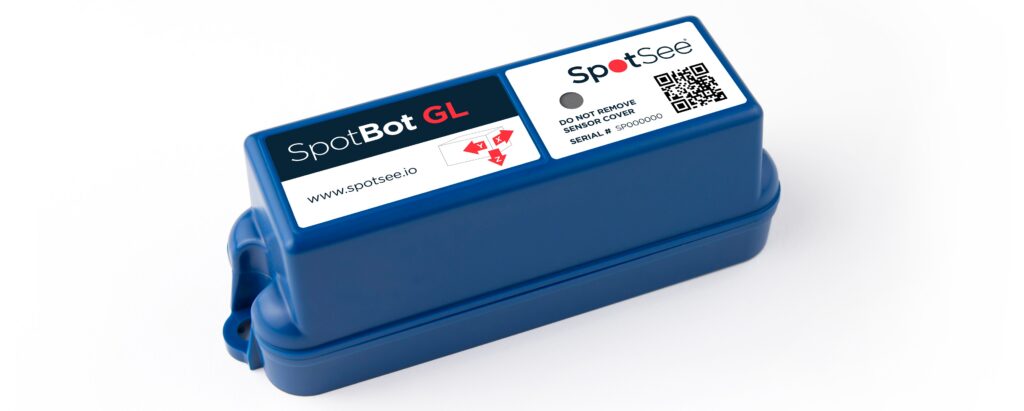
Another option for shipments requiring electronic monitoring is SpotBot GL.
SpotBot GL provides event information that goes beyond a simple visual indication, making it useful when teams need greater context around potentially damaging events during transportation.
For example, SpotSee describes how SpotBot GL can support data center equipment moving from shipment to rack by providing an event history that receiving teams can use when determining whether equipment requires further inspection before installation.
As with other electronic monitoring technologies, the value comes from matching the additional information to a real operational need.
How do you choose the appropriate level of impact monitoring?
A practical way to narrow the options is to start with the question your team needs the monitoring system to answer.
If the main question is whether a shipment experienced an impact above a defined threshold, a solution such as ShockWatch 2 QR may provide the visual indication and documentation required.
If condition monitoring needs to integrate into an existing RFID environment, ShockWatch RFID may fit more naturally into the workflow.
If teams need a detailed record of shock and vibration events, an electronic recorder such as ShockLog 298 provides a deeper level of information.
If remote visibility and alerts during transit are important, a connected approach such as ShockLog Cellular GL may be appropriate.
And when teams need electronic event information to support receiving or investigation workflows, SpotBot GL can provide another level of monitoring beyond simple indication.
The best solution is therefore not necessarily the one that generates the most data.
It is the one that gives the people responsible for the shipment the information they need to make the right decision.
Start with the shipment, then choose the technology
Impact monitoring can range from a straightforward visual indication to connected systems capable of providing information while an asset is still moving.
Choosing between them starts with understanding the shipment itself, including its fragility, weight, packaging, transportation environment, value and the consequences of damage.
From there, consider what information your team actually needs and when they need it.
For shipments where ShockWatch 2 QR may be appropriate, SpotSee’s ShockWatch Calculator and ShockWatch 2 QR overview provides a practical next step for evaluating the appropriate sensitivity and monitoring approach rather than relying on generic selection rules.
—-
You might also like


