

Lithium battery transportation has always required careful handling. In 2026, the rules became even more specific.
From January 1, 2026, lithium-ion cells and batteries packed with equipment under IATA Packing Instruction 966 are subject to new state-of-charge requirements for air transportation. In many cases, batteries must be offered for transport at no more than 30% of their rated capacity, with specific provisions depending on the section of the packing instruction. IATA’s broader Battery Shipping Regulations also cover classification, packing, marking, labeling, documentation and acceptance.
Those rules are critical. But they answer one question: was the battery prepared correctly for transportation?
They do not necessarily answer another: what happened to it once the journey began?
For lithium batteries and high-value battery-powered equipment, safe transportation also means understanding whether the shipment was exposed to conditions such as excessive impact, improper orientation or heat along the way.
Why shipment conditions matter for lithium batteries
Lithium-ion batteries can overheat and enter thermal runaway when damaged, overheated or otherwise compromised. The FAA specifically identifies physical damage and overheating among the conditions that can contribute to thermal runaway and warns against transporting damaged packages containing lithium batteries.
That creates a challenge for logistics teams.
A battery pack can arrive in packaging that appears intact, while the team receiving it has little evidence of how it was handled through loading, unloading, warehousing and carrier transfers.
Condition monitoring does not replace compliant packaging, dangerous goods procedures or manufacturer-defined inspection requirements. It adds another layer of information that can help teams identify shipments that may warrant closer inspection before batteries are accepted, installed or put into service.
Impact: did the battery experience potentially damaging handling?
Drops and impacts can occur at almost any handling point.
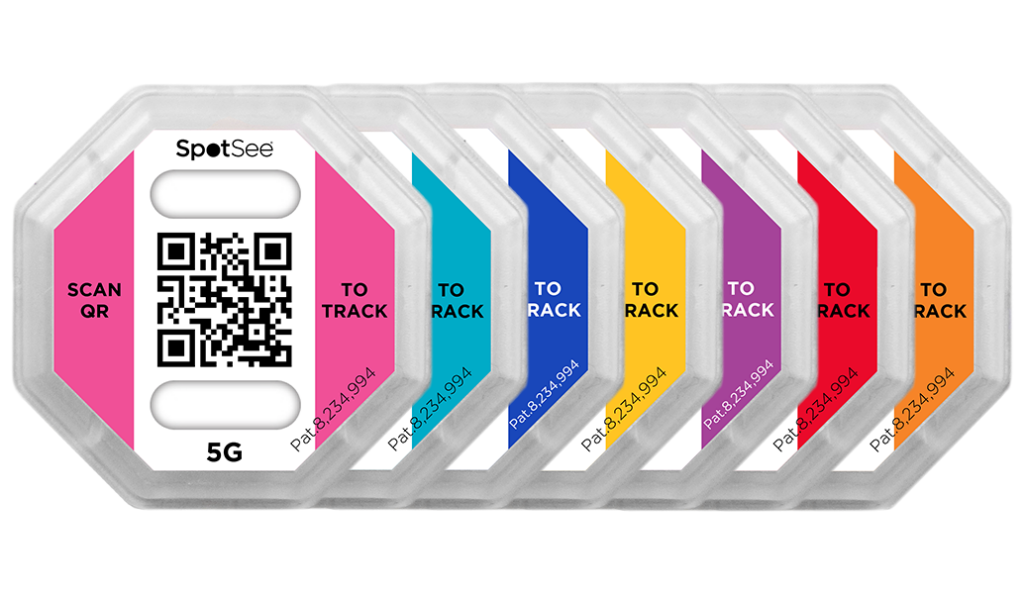
ShockWatch 2 QR is a single-use impact indicator that permanently changes from clear to red when an impact exceeds its specified G-force threshold. A smartphone scan creates a digital record including the condition of the indicator, time, date, location and supporting imagery.
For lithium battery shipments, that creates a simple receiving signal. If the indicator has activated, the receiving team has objective evidence that the shipment experienced an impact above the selected threshold and can follow the appropriate inspection or escalation process.
This is particularly useful when external packaging alone cannot tell the whole story.
SpotSee has seen this problem in practice. In a Formula E battery transportation case study, a battery supplier used connected condition monitors while shipping sensitive racing batteries between events around the world. During one shipment, the team received an impact alert before the battery arrived. Inspection later confirmed that the battery had been irreparably damaged, allowing the supplier to send a replacement before the team was left without one on race day.
Tilt: did the shipment stay in the required orientation?
Battery packs rarely travel alone. They may be integrated into energy storage systems, industrial machinery, automotive assemblies or other equipment that has defined orientation requirements during transportation.
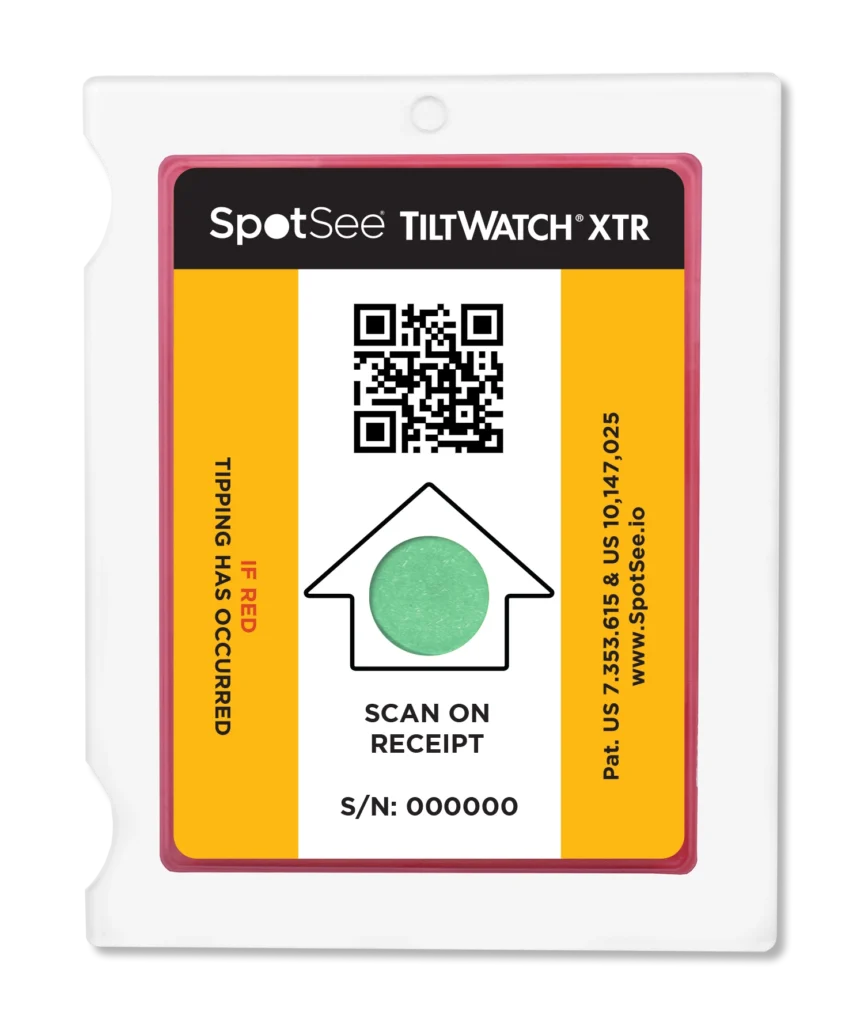
TiltWatch XTR QR provides a visual indication when a shipment tips beyond 80 degrees. At receipt, the QR code can be scanned to document the tilt condition along with the time, location and serial number.
That does not automatically mean the battery or equipment has been damaged. It gives the receiving team evidence that a specified handling condition was exceeded so the appropriate inspection process can begin.
As SpotSee explains in its article on digital traceability for tilt-sensitive assets, the value of that evidence is greatest when it is captured consistently at the hand-off, while teams can still connect the condition of the shipment to the transportation journey.
Temperature: did the shipment experience excessive heat?
Physical handling is only one part of the journey.
The FAA identifies overheating as one of the conditions that can contribute to lithium-ion battery thermal runaway.
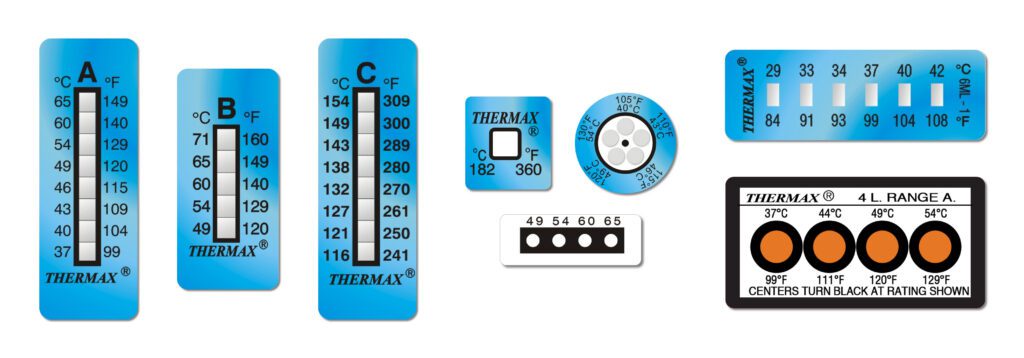
Where a battery manufacturer or equipment supplier has defined upper temperature limits for transportation, an irreversible temperature indicator can provide evidence that those limits were exceeded.
Thermax labels permanently change color when their rated temperature is reached or exceeded, creating a visual record of the maximum temperature experienced by the monitored surface. Different versions are available across a wide temperature range, allowing the threshold to be selected according to the application.
The important point is not to apply a universal temperature limit to every lithium battery. Battery chemistry, construction and manufacturer specifications vary. Monitoring should be configured against the limits established for the particular battery or equipment being transported.
When a battery shipment needs more context
For a single shipment, knowing that an impact occurred may be enough to trigger inspection.
For a high-value battery system moving across multiple countries, carriers and logistics hubs, teams may need more context.
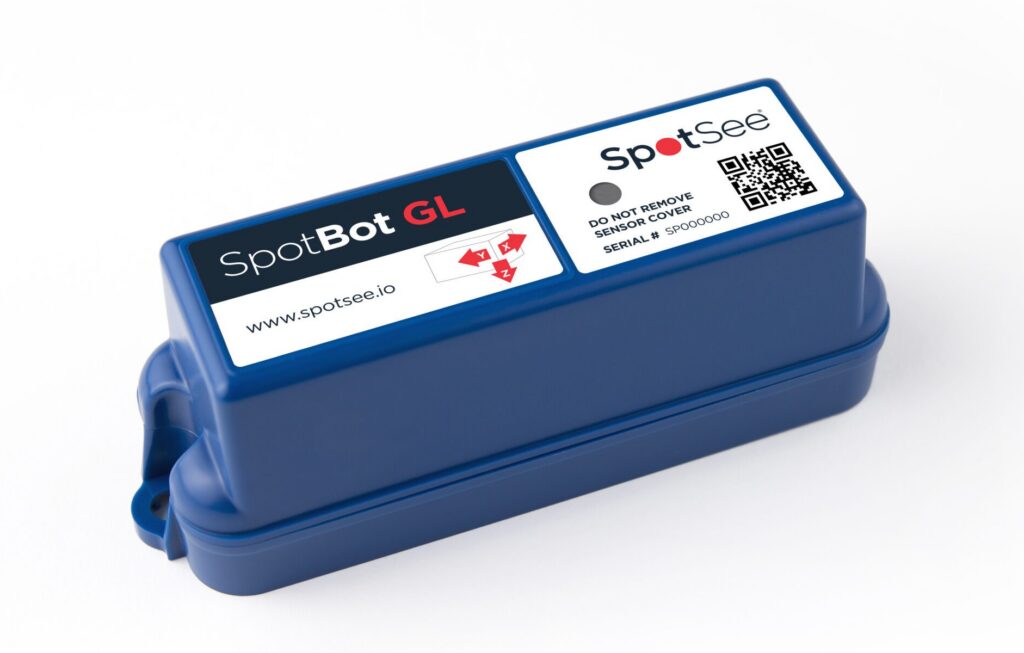
SpotBot GL monitors triaxial impact, temperature and humidity while also tracking shipment location. Data is transmitted to the SpotSee Cloud, allowing teams to review shipment status and receive alerts while an asset is still moving through the supply chain.
That can help answer questions that a visual inspection at delivery cannot:
Where did the event occur? When did it happen? What other conditions was the shipment experiencing at the time? Does the shipment need to be inspected before the next stage of the journey?
For expensive or time-critical battery systems, having that information before delivery can be particularly valuable. The Formula E battery example shows why: detecting the problem early gave the supplier time to respond rather than discovering the damaged battery only when it was needed.
Compliance gets the battery onto the journey. Monitoring helps show what happened next.
The tighter lithium battery transportation requirements taking effect in 2026 are an important reminder that battery logistics demands careful risk management.
But classification, state of charge, packaging and labeling describe how the shipment should be prepared.
They cannot show every condition the battery experienced once it left the facility.
For logistics and quality teams responsible for valuable lithium batteries or battery-powered equipment, monitoring impact, orientation, temperature and broader shipment conditions can add evidence at the point where it matters most: when deciding whether a shipment can move confidently to its next stage.
As with any monitoring program, thresholds should be based on the battery manufacturer’s specifications, validated packaging and the organization’s own quality and receiving procedures.
The goal is not to monitor every shipment in the same way. It is to make sure that when the condition of a lithium battery matters, the team receiving it has more to work with than an intact box and a compliant label.
—-
You might also like


