



What are the different types of time-temperature indicators and when should you use each?
Not every temperature-sensitive shipment needs the same type of monitoring. For some shipments, the most important question is simple: did the product experience a temperature outside its acceptable range? For others, teams may need to know how long an excursion...
QR indicator vs. data logger: how much shipment data do you actually need?
When a shipment arrives, how much information do you actually need to make the next decision? Sometimes the answer is a complete history. You need to understand what happened throughout transit, when conditions changed and potentially where an exception occurred. But...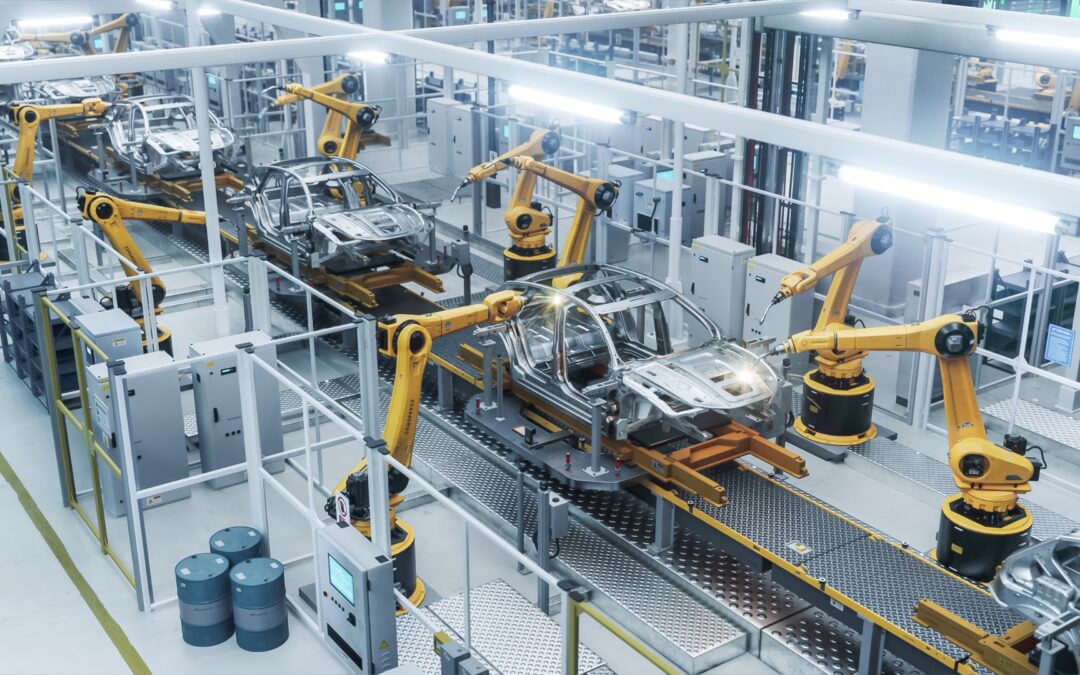
Shipping industrial robots and automation equipment without compromising precision
Industrial robots and automation equipment are built for precision. Shipping them is considerably less precise. A robotic arm, cobot, automation cell or control system can arrive at an installation site with its crate intact and no obvious signs of damage. But...
Cell and gene therapy logistics: what level of shipment monitoring do you need?
Cell and gene therapies create an unusually demanding cold-chain environment. Many therapies are highly temperature sensitive, extremely valuable and time critical. Some are also patient specific, making the consequences of a compromised shipment particularly...