

News
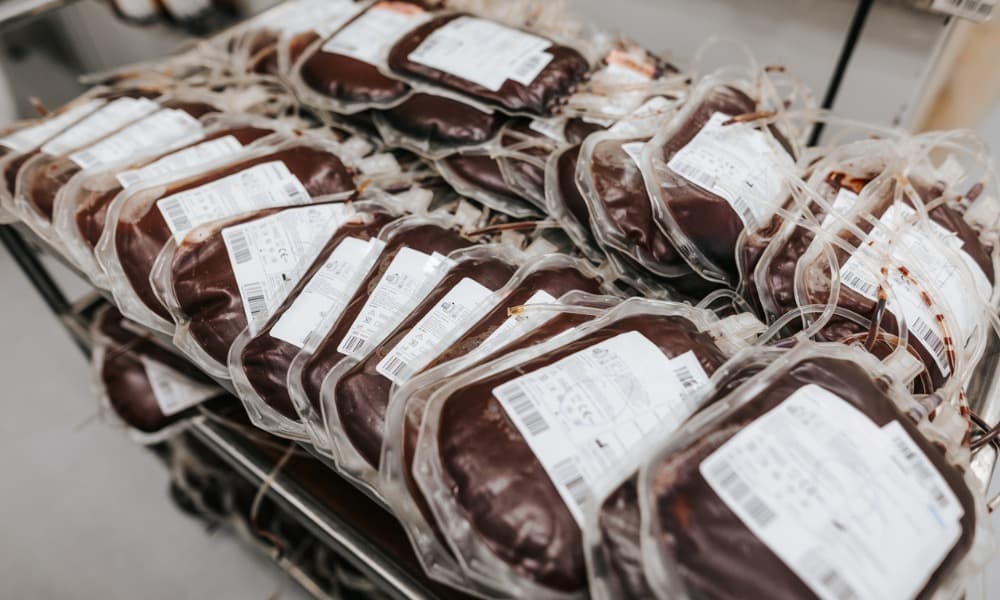
Temperature Indicators for Blood Bags: How to Monitor Blood Bag Storage Temperature in Hospitals
Key Takeaways: U.S. blood supplies are at an all-time low. Improper storage leads to 200,000 to one million wasted units annually, costing up to $230 million (American Journal of Clinical Pathology). Patient safety is at risk – improper blood temperature can cause...

From shipment to rack: end-to-end condition monitoring for data center infrastructure
The physical reality behind digital infrastructure A server rack arrives at a hyperscale facility after a cross-country shipment. It passes a visual inspection, gets installed, and three weeks later an unexpected storage failure surfaces. The investigation leads back...

Hidden transit damage in appliance home delivery
Why proof of delivery doesn’t prove proper handling A shipment can arrive looking fine and still fail after installation. For appliance manufacturers, retailers, logistics providers, and warranty teams, appliance delivery damage is often discovered long after proof of...

Shipment damage in automotive logistics: how to reduce returns and protect revenue
If your damage process starts when a return arrives or a claim gets filed, you are already days late. The operational bottleneck is usually not the inspection capability. It is evidence latency, the delay between a suspect shipment arriving at receiving and a complete...
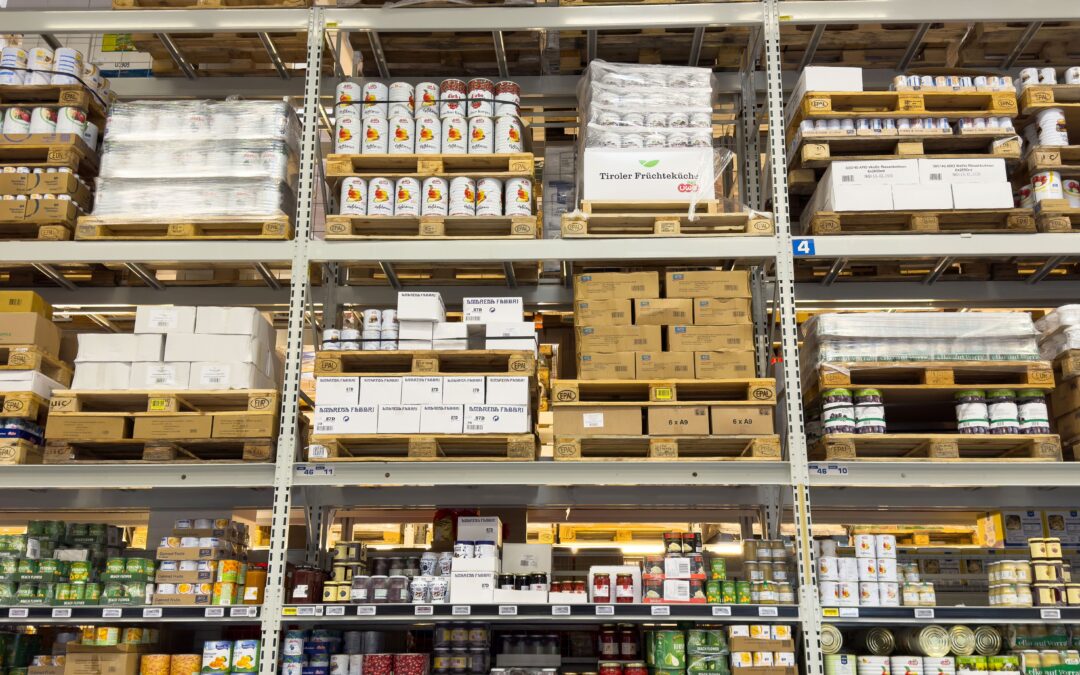
How to use data loggers for thermal mapping in food and beverage storage
Thermal mapping does not usually fail because the data loggers missed something. It fails because the results never change what teams monitor every day or how they respond when a reading is good or bad. A mapping study can produce a clean report, detailed graphs, and...

How one app-free scan resolves cold chain blind spots
A biologic shipment can arrive with pristine packaging and still have experienced an unacceptable freeze condition inside. Cold chain programs invest heavily in validated packaging, qualified lanes, and monitoring technology. Yet at receiving, the person opening the...
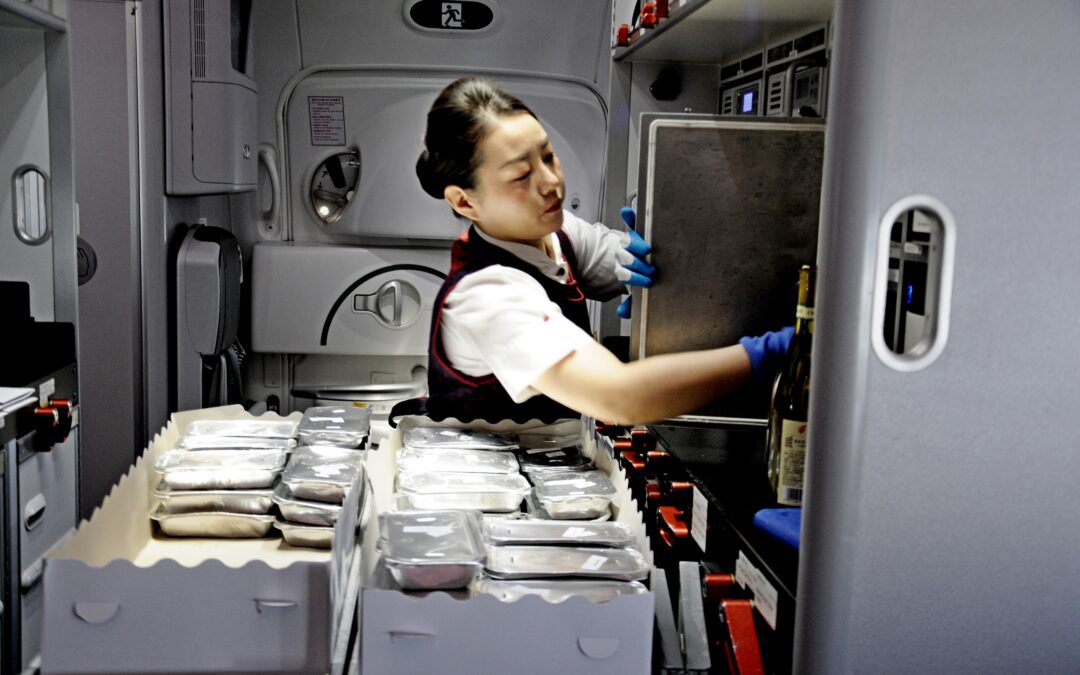
Food safety under pressure: documenting temperature checks during peak service
You did the temperature checks. But when the carts move to service, the record is incomplete, smudged, or missing. In high-volume airline catering, temperature checks are routinely completed. What breaks under pressure is not the check itself, but the documentation...

Introducing TiltWatch® XTR QR: Digital traceability for tilt-sensitive assets
Tilt evidence only helps at receiving when it is consistent, time-stamped, and reviewable across hand-offs. TiltWatch® XTR QR adds QR-enabled traceability to a single-use tilt indicator so teams can make clearer good read or bad read decisions and document what...

The deterrence effect: how visible shipment monitoring reduces risk
Visible shipment monitoring is not only about detecting an issue after delivery. In receiving operations, its most practical value is that it changes behavior before an issue becomes a receiving exception, because it makes accountability and the next SOP step...

From damage report to decision: speeding up complaint handling in high-value shipments
A high-value shipment arrives at receiving, something looks off, but no one can confirm what actually happened. This is where complaint handling slows down. Not because teams lack process, but because the evidence needed to decide arrives too late. The fastest way to...

Shipment alerts are easy. Designing who acts next is the hard part
Supply chain monitoring only becomes operationally useful when the team has already agreed who will act at the moment an excursion or shock event is flagged. Without that upfront design, connected monitoring often creates inconsistent hand-offs, unclear escalation...

Ensuring Safe Delivery of Compounded GLP-1 Medications: Best Practices and Tools
Key Takeaways GLP-1 storage temperature: Compounded GLP-1 medications must be refrigerated between 2°C and 8°C (36°F–46°F). Exposure above 8°C risks degrading the peptide structure and reducing efficacy. Cold chain shipping is the end-to-end process of maintaining...

Modern Challenges and Opportunities in Rail Transportation
Explore the challenges and opportunities in rail transportation and how Thermax® Temperature Indicators give you an edge. Key Takeaways: The transportation sector accounts for 29% of global CO2 emissions. Rail transport contributes just 2%, making it the...

The Many Applications of Liquid Crystal Technology
Liquid crystal technology is used daily, but its applications extend far beyond TVs and smartphones to protect people and products. Key takeaways: Thermochromic liquid crystals (TLCs) change color reversibly with temperature, transitioning from black through red,...

Boost Patient Safety and Reduce Waste with Thermochromic Labels
Get swift visual assurance that your products have maintained the proper temperature Key Takeaways: Storing, shipping, and distributing temperature-sensitive medical products is risky. Some vaccines and drugs break down molecularly if kept at improper temperatures....
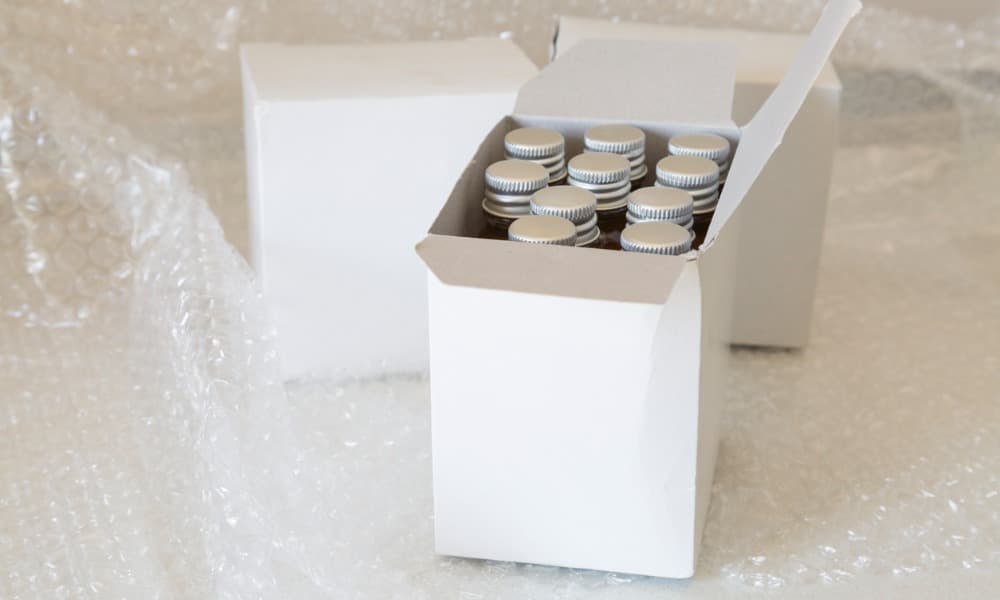
Navigating Temperature Sensitivity: Effects of Temperature Change on Biologic Drugs
Temperature Change and Biologic Drugs: Cold Chain Monitoring Guide Key Takeaways: Why are biologic drugs so sensitive to temperature and impact? What is the impact of temperature fluctuations on biologic drugs? How can pharmaceutical temperature monitoring help...

How much shipment reporting do you actually need?
Most teams don’t have a monitoring problem. They have a reporting expectation problem. If alerts arrive but no one can act during transit, they become noise. If the only information shows up at delivery, it may not be enough to resolve disputes or improve packaging or...

Unit-level heat exposure: turning peak temperature into evidence
Your process chart can look perfect and still fail the simplest audit question: what did this specific unit actually experience temperature-wise? Process documentation can be complete, validated and well controlled, yet still fall short when the question shifts from...

Solving the Thursday shipment problem in cold chain logistics
A Thursday shipment is not inherently a problem. The real risk is allowing Monday receiving decisions to depend on incomplete evidence and inconsistent judgment. The practical stance is simple. You do not need to eliminate Thursday shipping. You need a weekend-proof...

Introducing ShockWatch Label QR: Visual impact indication with digital traceability
ShockWatch Label QR takes a familiar clear-to-red impact indicator and adds digital traceability at the moment it matters most, at receipt. A smartphone QR scan creates a cloud-stored, item-level record tied to that specific indicator, with no app required. For...